$0.00

 Canvas Prints
 Framed Prints
 Metal Wall Prints
 Mounted Wall Prints
 Photo Books
 Photo Plaques
 A-Frame Boards
 Acrylic Boards
 Aluminum Boards
 Banners
 Banner Stands
 Cardboard Signs
 Car Magnets
 Foam Boards
 Plastic Signage
 Table Tents
 Yard Signs
 Booklets & Catalogs
 Bookmarks
 Brochures
 Business Cards
 Door Hangers
 Envelopes – Custom
 Flyers
 Folders
 Rack Cards
 Rip Cards
 Stickers
 Beanies
 Calendars
 Can Coolers
 Drawstring Bags
 Hats
Hats Hoodies
 Mouse Pads
 Poker Chips
 Polos
Polos Puzzles
 T-Shirts
 Canvas Bags
 Coasters
 Letterhead
 Mugs
Mugs Notepads
 Posters
 Roll Labels
 Window Clings
 Window Decals
 Window Perfs
 PVC Boards
Today’s customers interact with brands in more places than ever before. They might discover your business through an Instagram ad on their phone, browse your website on a laptop, and then receive a printed brochure or package in the mail a few days later.
Each of those experiences shapes how they perceive your business.
That’s why great marketing design isn’t about creating one design that works everywhere. It’s about adapting your message to fit the medium while keeping your brand consistent.
Too often, businesses assume they can take a design created for a phone screen and send it straight to the printer—or scan a printed flyer and use it as a social media graphic. While that might save time initially, it rarely produces the best results.
Successful brands understand that print design and digital design each have unique strengths. The goal isn’t to make them identical—it’s to make them work together.
Different Mediums, Different Expectations
Think about how people consume information on their phones versus in print.
On mobile devices, people scroll quickly. They’re often distracted, multitasking, or looking for information in short bursts. Designs need to communicate their message almost instantly.
Printed materials create a different experience.
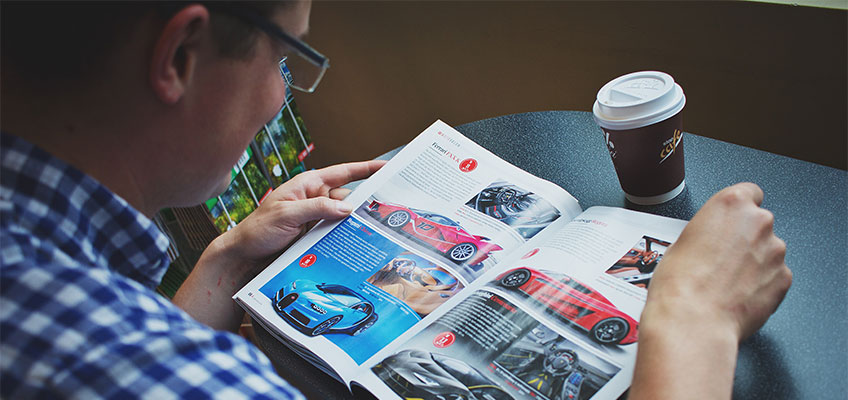
A brochure, catalog, or direct mail piece invites someone to slow down. Customers can flip through pages, study images, and absorb information at their own pace. They’re not competing with notifications, emails, or dozens of open browser tabs.
Because these experiences are so different, your design strategy should be different, too.
The best brands don’t use one design everywhere—they create experiences that are built for each platform while telling the same story.
Print Gives You More Room to Tell a Story
One of the biggest advantages of print design is the ability to create a richer, more immersive experience.
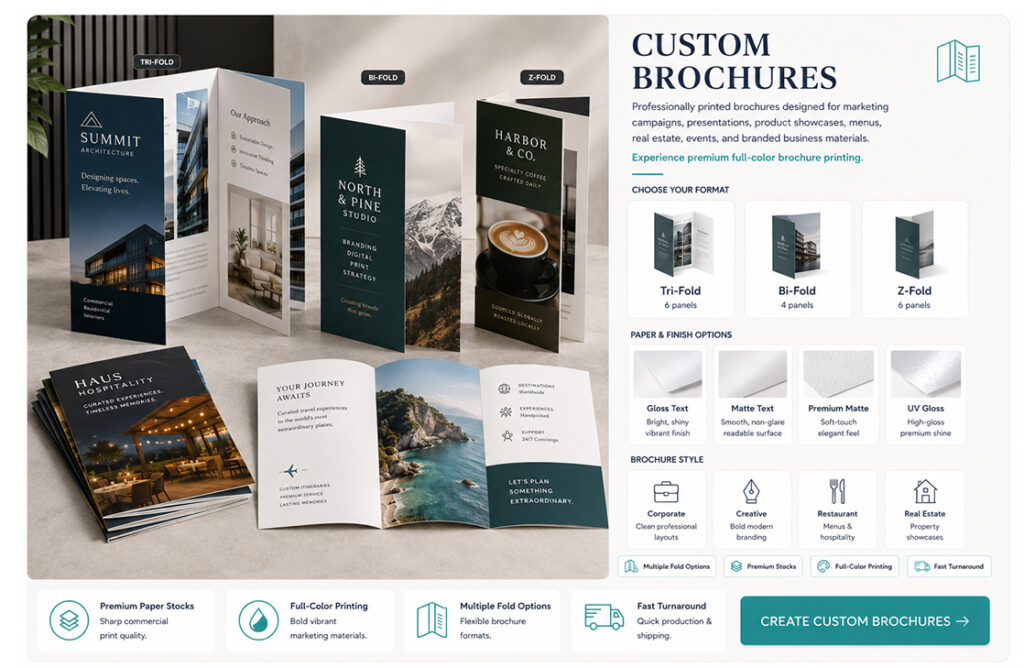
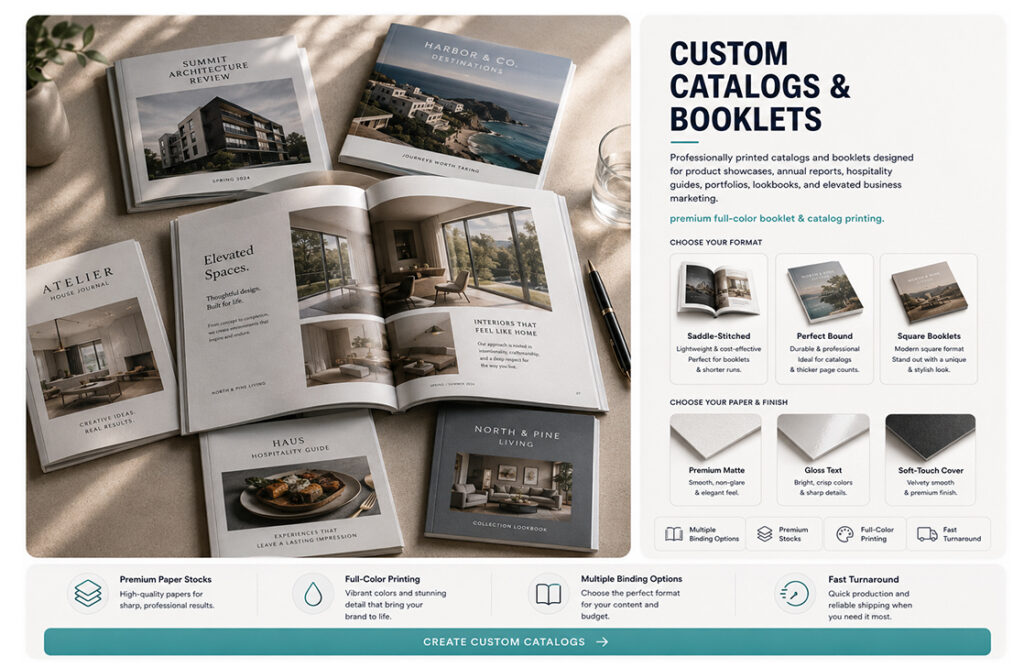
A printed catalog can showcase detailed photography, product descriptions, customer testimonials, and lifestyle imagery without feeling overwhelming. A brochure can unfold to reveal multiple sections of information, while premium packaging can include inserts, coupons, or thank-you cards that deepen the customer relationship.
Print allows customers to physically engage with your brand. They can hold it, share it, save it, and return to it later.
That’s something mobile screens simply can’t replicate.
Mobile Design Prioritizes Speed
With digital design, simplicity is often the key to success.
People browsing on smartphones want information quickly. Headlines should be concise. Buttons should be easy to tap. Images should load fast and remain sharp on smaller screens.
A design that works beautifully as an 11″ x 17″ brochure may become unreadable when compressed into a mobile advertisement or Instagram Story.
Instead of shrinking everything down, designers should rethink the layout entirely.
Ask yourself:
- Is the text still readable?
- Are the most important messages immediately visible?
- Can someone understand the design within a few seconds?
Designing specifically for mobile creates a much better user experience than simply resizing a print layout.
Responsive Branding Keeps Everything Connected
Although layouts change, your brand shouldn’t.
This is where responsive branding becomes essential.
Responsive branding means adapting your visual identity to different formats while maintaining a recognizable look and feel.
Your logo may have a simplified version for social media icons and a full version for printed brochures.
Typography might scale differently depending on the format.
Photography may be cropped differently for vertical mobile screens than for landscape print layouts.
Even with those adjustments, your colors, messaging, and overall personality should remain consistent.
Customers should immediately recognize your brand whether they’re holding a business card or scrolling through your website.
Design for the Medium, Not Against It
One of the biggest mistakes businesses make is trying to force one design into every format.
A square Instagram graphic rarely works as a brochure cover.
A detailed flyer often becomes cluttered on a smartphone.
A vertical social media post may not translate well to a horizontal trade show banner.
Instead of creating one master design and resizing it repeatedly, think of each piece as part of a larger system.
Your campaign should have one central message, but each format should be optimized for the way customers will actually experience it.
That approach creates stronger communication while maintaining visual consistency across every platform.
Print and Digital Should Support Each Other
The best marketing campaigns don’t separate print and digital—they connect them.
A direct mail postcard can include a QR code leading to a landing page.
Product packaging can encourage customers to follow your brand on social media.
A printed catalog can drive traffic to your online store.
Email campaigns can promote printed lookbooks or event materials.
Rather than viewing print and digital as competing channels, successful businesses use them together to create a seamless customer journey.
Each interaction reinforces the next.
Work With Printing in Mind
Another important consideration is how digital designs will reproduce in print.
Colors displayed on a screen often appear brighter than they do on paper because monitors use RGB color while commercial printing uses CMYK inks.
Typography that’s readable on a phone may become too thin when printed.
Images that look sharp online may not have enough resolution for large-format printing.
By considering print requirements early in the design process, you can avoid costly revisions later and ensure your marketing materials look just as professional in customers’ hands as they do on their screens.
Great Design Works Everywhere
At Haus Print, we believe the strongest brands understand that every customer interaction matters.
Whether someone first discovers your business through a mobile ad, visits your website, receives a printed brochure, or opens a package with custom branding, each experience should feel connected.
Our team works with businesses to ensure their print design, digital design, and marketing design all work together to create a seamless customer experience. From brochures and packaging to direct mail, promotional products, and large-format signage, we help brands produce printed materials that complement their digital presence instead of competing with it.
The most successful brands aren’t the ones that use the same design everywhere—they’re the ones that adapt thoughtfully while staying true to who they are.
Because when your brand feels consistent across every screen and every printed piece, customers don’t just recognize it—they remember it.