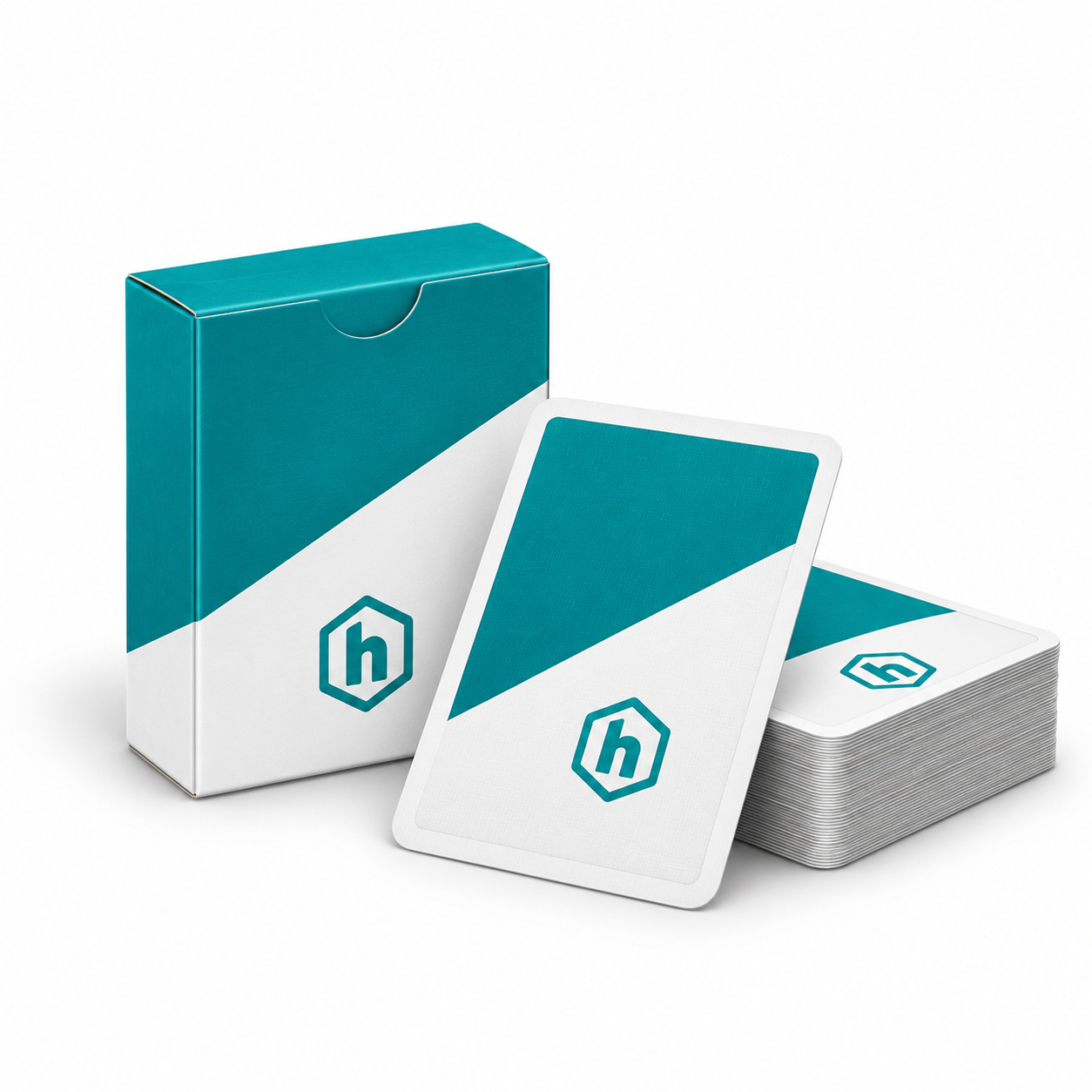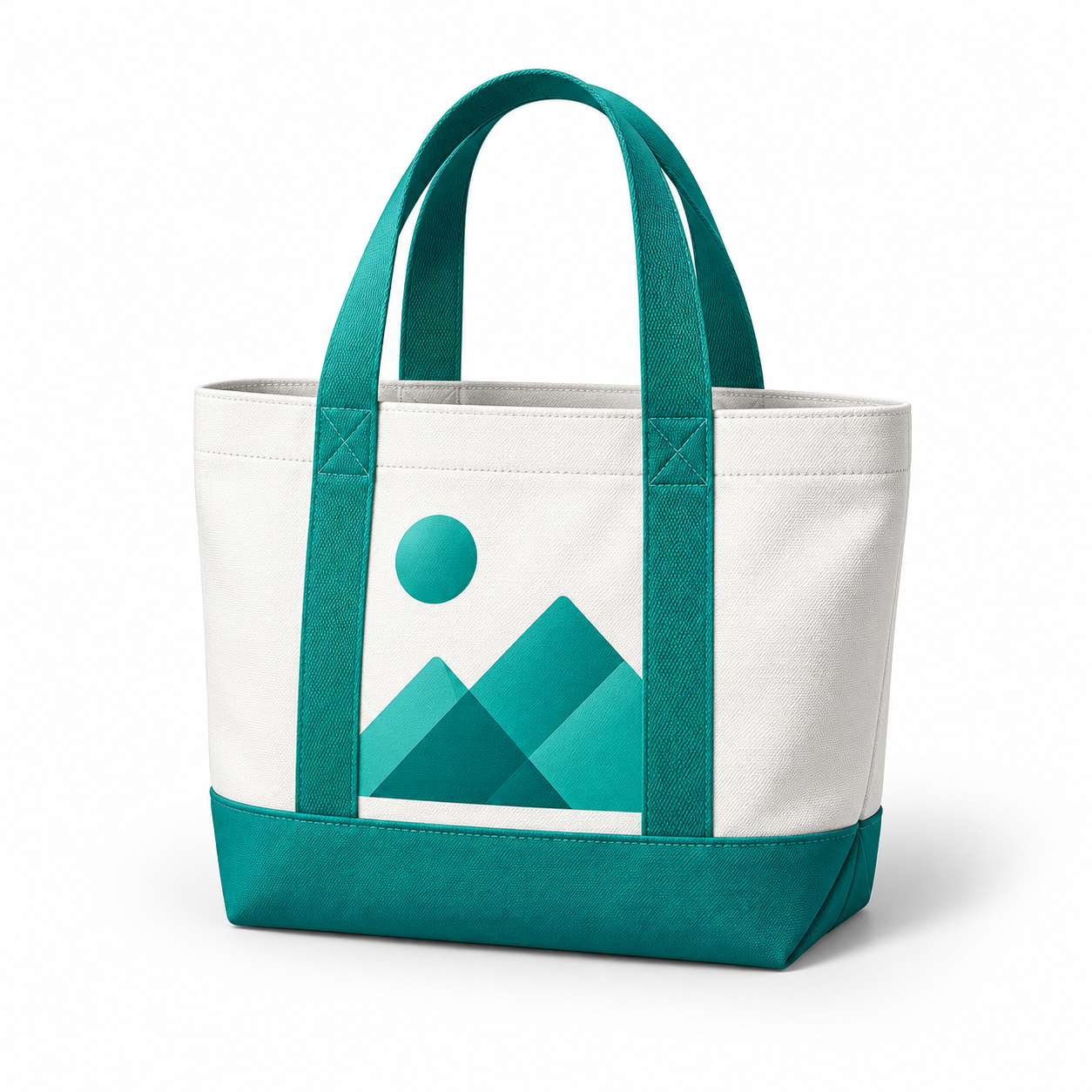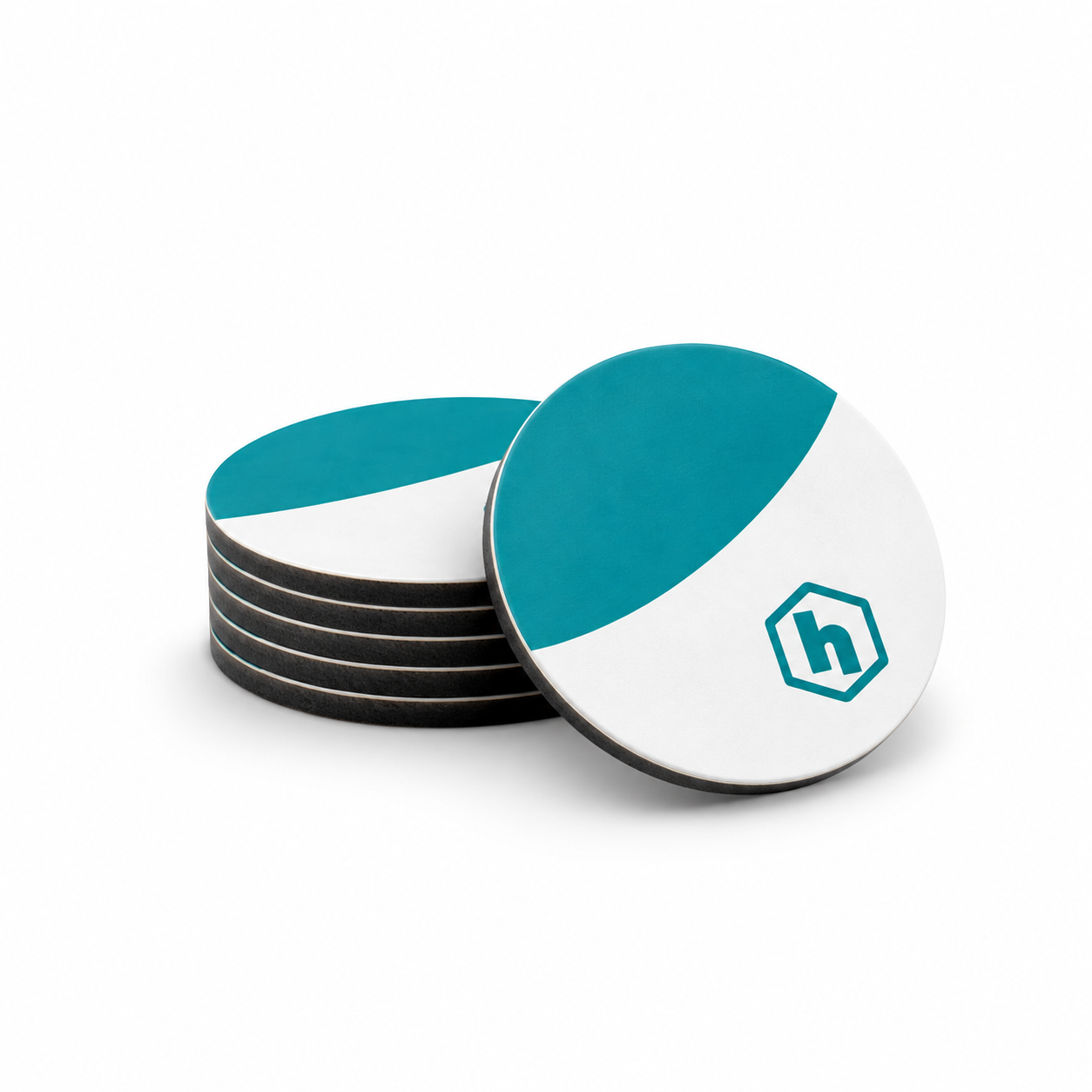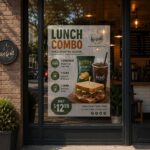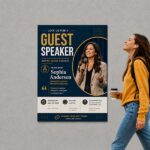
Every successful brand starts with an idea. Before the logo is finalized, the packaging is printed, or the first brochure goes to press, there’s usually a stage where ideas begin to take shape. Colors are explored, typography is tested, textures are considered, and images are gathered to define the overall look and feel.

That stage often begins with a mood board.

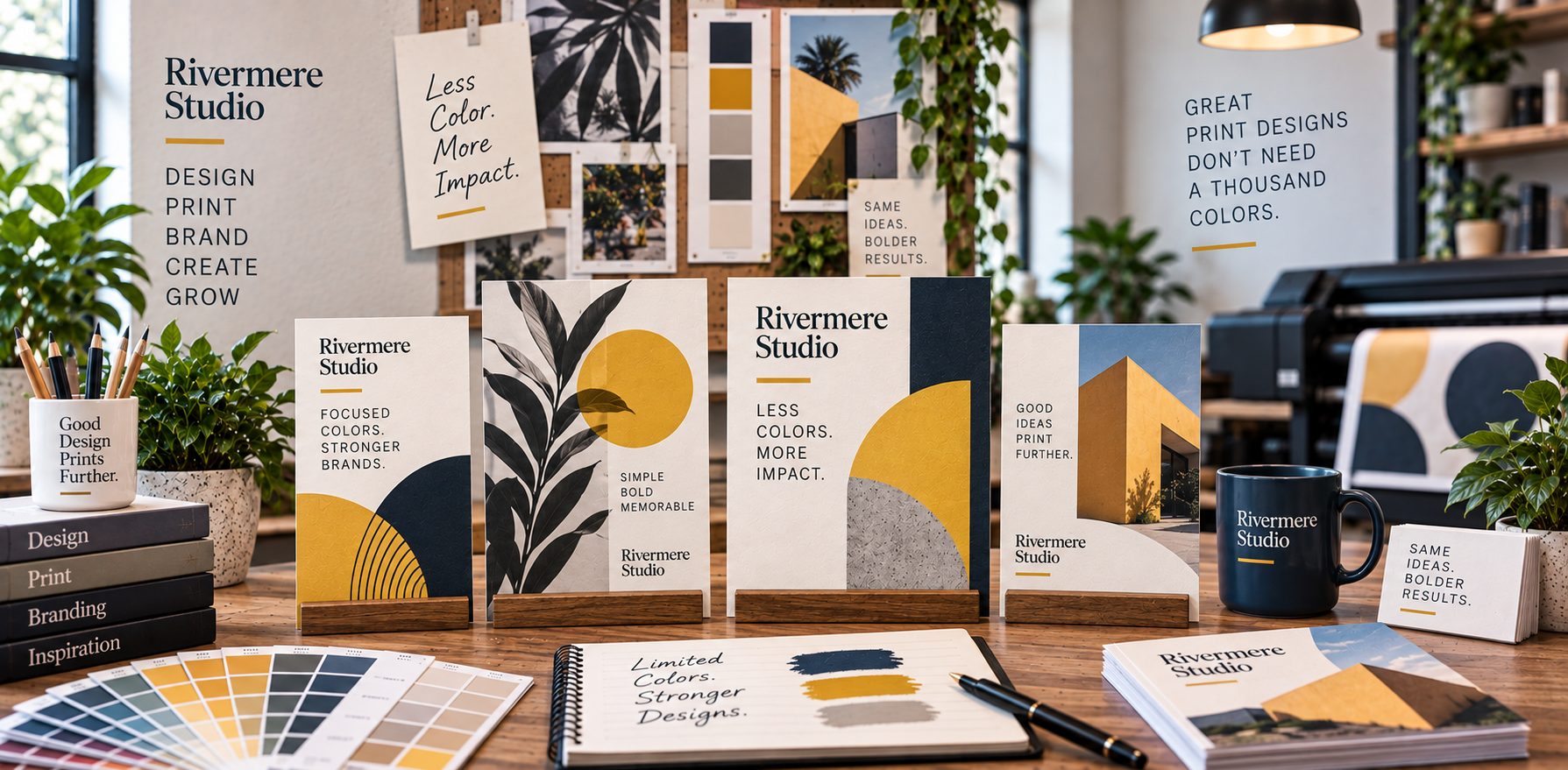
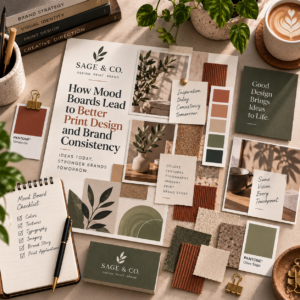
A design mood board is more than a collage of inspiring images—it’s a planning tool that helps transform creative ideas into a clear visual direction. Whether you’re launching a new business, refreshing your brand, or planning a print marketing campaign, mood boards can save time, improve communication, and create stronger, more consistent printed materials.

If you’ve ever struggled to explain your vision to a designer or felt like your branding looked inconsistent from one project to the next, creating a mood board may be one of the smartest first steps you can take.

A mood board helps define everything that surrounds it, including paper choices, photography, typography, illustration styles, packaging, and print finishes.

What Is a Mood Board?

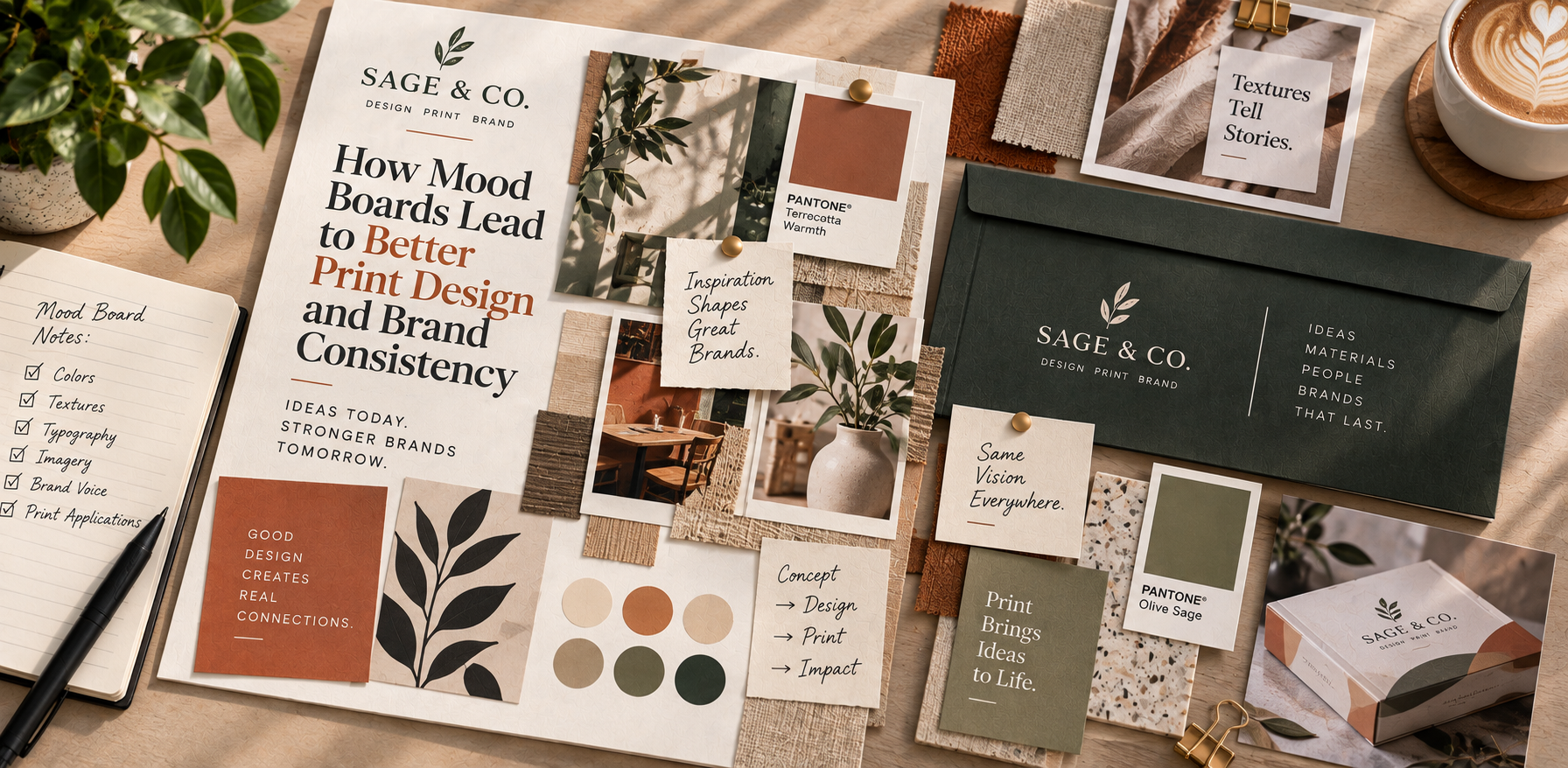
A mood board is a collection of visual elements that represent the personality and style of a brand or project.

It might include:

  • Color palettes
  • Typography examples
  • Photography styles
  • Illustrations
  • Packaging ideas
  • Paper textures
  • Print finishes
  • Graphic patterns
  • Logo inspiration
  • Product examples

Together, these elements create a visual reference that helps everyone involved understand the creative direction before the actual design work begins.

Think of it as a blueprint for your brand’s personality.
It Creates a Shared Vision
One of the biggest challenges in any creative project is making sure everyone has the same expectations.

A business owner might describe their brand as “modern,” while a designer imagines something sleek and minimalist. Someone else may interpret “modern” as colorful and playful. Without visual references, those conversations can quickly become confusing.

A design mood board removes much of that guesswork.

Instead of relying only on words, everyone can look at the same collection of images, colors, and examples. This creates a shared understanding of the direction before the first logo or brochure is ever designed.

That often leads to fewer revisions and a smoother creative process.

Better Inspiration Leads to Better Branding

Every memorable brand has a distinct visual identity.

The best branding inspiration doesn’t come from copying other businesses—it comes from discovering the styles, colors, and visual elements that best represent your own.

A mood board gives you the freedom to explore ideas without committing to them immediately. You may discover that earthy colors better reflect your business than bright ones, or that hand-drawn illustrations communicate your personality more effectively than stock photography.

Exploring these ideas early helps create a stronger foundation for every future design project.

Mood Boards Improve Print Branding

Your website isn’t the only place customers experience your brand.

Business cards, brochures, product packaging, direct mail, signage, catalogs, and promotional materials all become part of your identity.

That’s why print branding is so important.

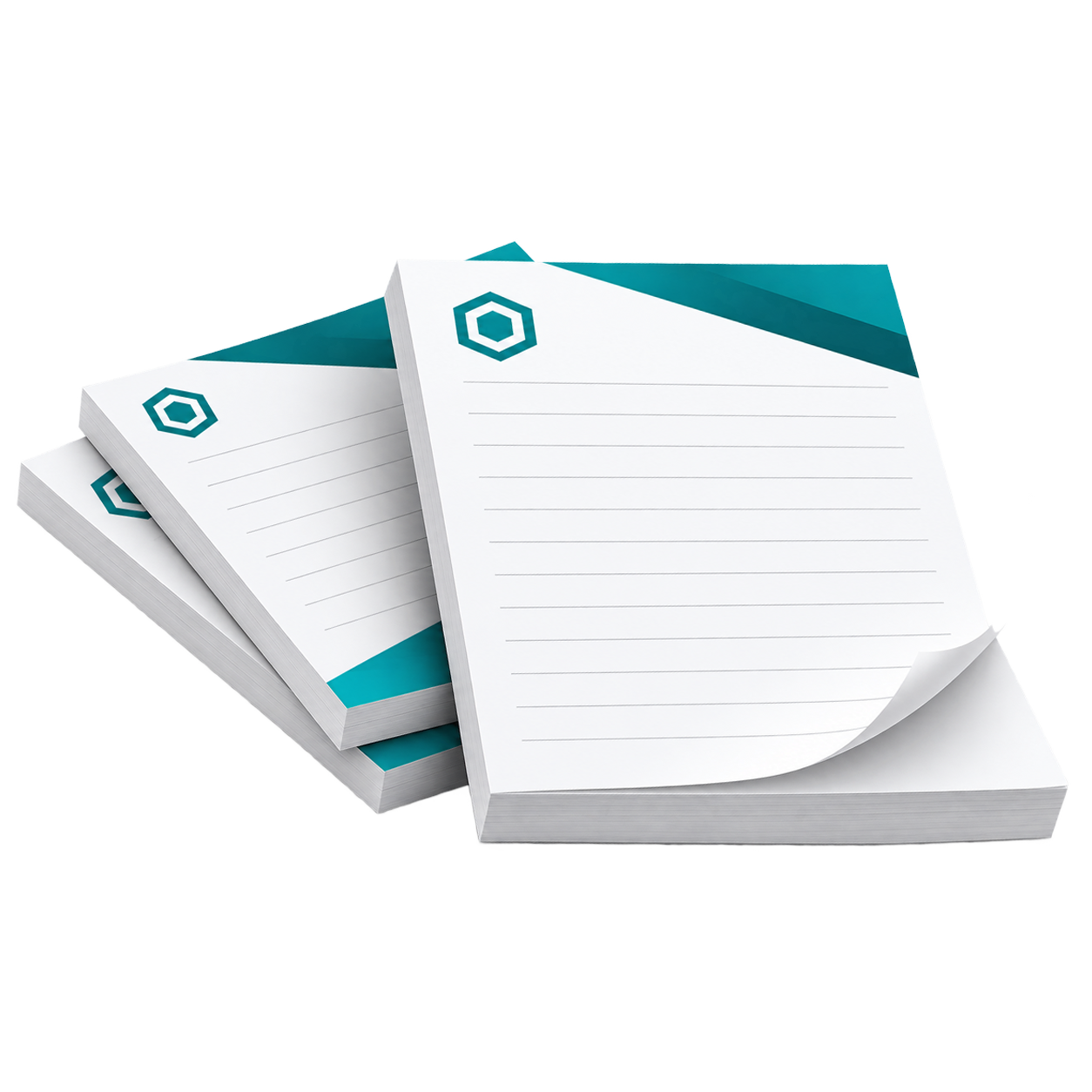
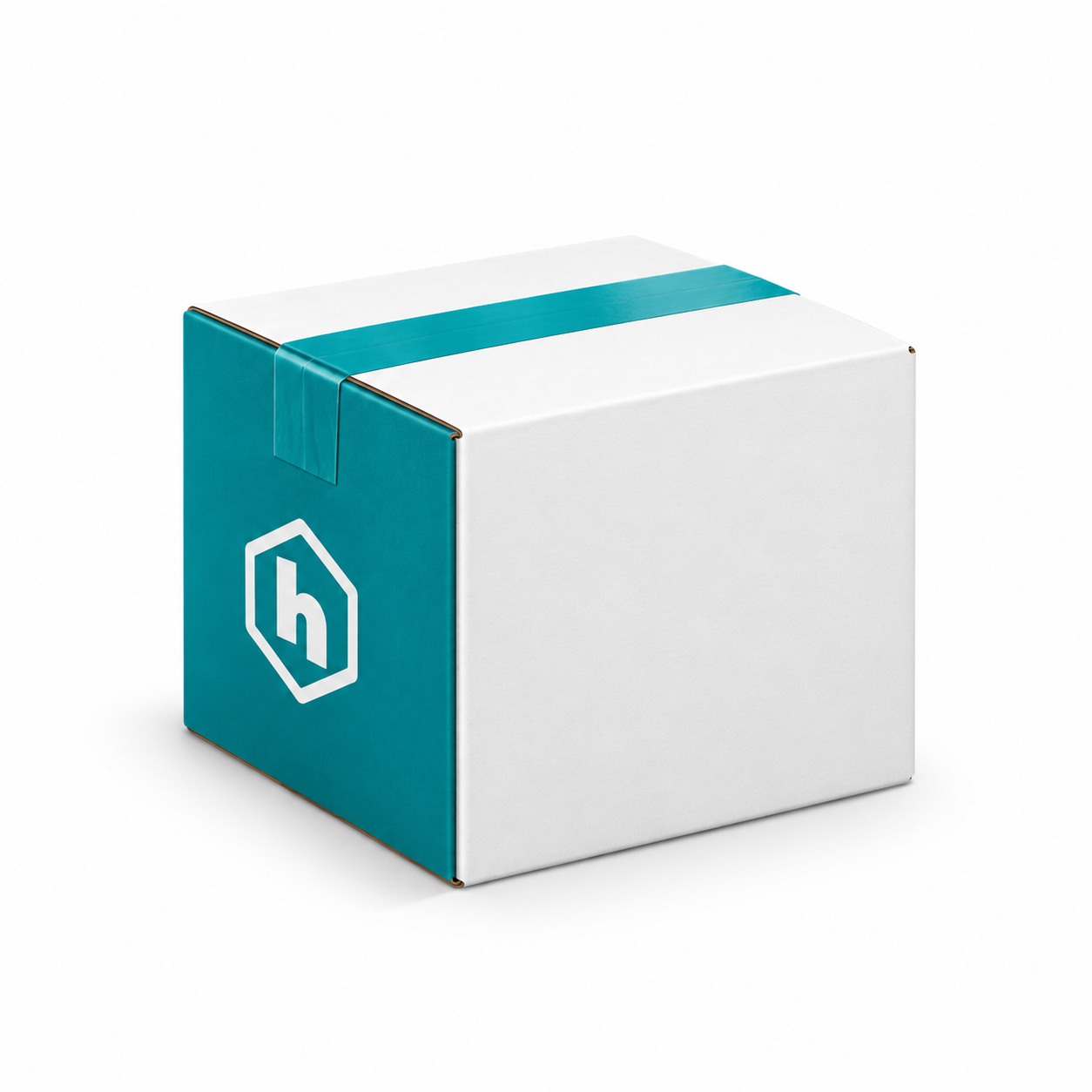
When your printed materials use the same colors, typography, photography, and design style established in your mood board, your brand feels cohesive no matter where customers encounter it.

That consistency builds familiarity, and familiarity builds trust.

Whether someone receives a postcard, visits your trade show booth, or opens one of your product packages, they should immediately recognize your business.

A Better Creative Design Process

Jumping straight into design without a plan often leads to unnecessary revisions.

Mood boards create a more efficient creative design process because important decisions are made before layouts begin. Designers spend less time guessing what a client wants, and clients spend less time requesting major changes after the work is finished.

Instead of debating colors halfway through a brochure design, those choices have already been established.

Instead of changing photography styles after the packaging is complete, everyone already understands the visual direction.

The result is a faster workflow and stronger finished products.

Think Beyond the Logo

Many businesses believe branding ends with a logo.

In reality, a logo is just one piece of a much larger system.

A mood board helps define everything that surrounds it, including paper choices, photography, typography, illustration styles, packaging, and print finishes.

When all of these elements work together, every printed piece feels intentional rather than disconnected.

That’s what transforms individual marketing materials into a recognizable brand.

Bring Your Vision to Life Through Print
A great mood board is only the beginning. The real magic happens when those ideas become something customers can hold in their hands.

At Haus Print Shop, we work with designers, entrepreneurs, and businesses to turn creative concepts into beautifully printed marketing materials. Whether you’re producing brochures, business cards, catalogs, product packaging, or promotional materials, we help ensure your print branding stays consistent from the very first piece to the last.

A thoughtful design mood board, the right branding inspiration, and a well-planned creative design process lay the foundation for exceptional print. When every color, image, texture, and finish works together, your brand becomes more memorable, more professional, and far more effective.

The strongest brands aren’t created by accident. They begin with a clear vision—and a mood board is often where that vision comes to life.