



In today’s digital world, it’s easy to assume that business cards have lost their relevance. The reality is quite the opposite. A well-designed business card remains one of the most powerful networking tools available to professionals, entrepreneurs, and small businesses alike. The difference between a card that gets tossed in the trash and one that gets saved often comes down to thoughtful design and quality execution.
A memorable business card isn’t necessarily the flashiest one—it’s the one that effectively communicates your brand, looks professional, and leaves a lasting impression.
If you’re investing in custom business cards, it’s important to create something that leaves a lasting impression. Here’s how to design professional business cards that people actually remember.
Why Business Cards Still Matter
Despite the rise of digital communication, face-to-face networking remains a critical part of growing a business. Whether you’re attending a trade show, meeting a potential client, or introducing yourself at a local event, handing someone a professional business card creates a tangible connection.
Unlike an email address typed into a phone, a physical card serves as a reminder of your brand long after the conversation ends. A great business card communicates professionalism, attention to detail, and credibility—all within a few square inches.
Start With a Strong Business Card Design
The most effective business card design begins with clarity. Before considering special finishes or premium paper stocks, focus on the essentials.
Every business card should include:
- Your name
- Company name
- Job title
- Phone number
- Email address
- Website
- Logo
Avoid cluttering the design with excessive information. White space is your friend. A clean, organized layout is easier to read and often appears more professional than a crowded card filled with text.
Make Your Brand Memorable
Your business card should be an extension of your overall brand identity. Consistent colors, typography, and imagery help reinforce your company’s image.
Consider incorporating:
- Brand colors
- Custom graphics or icons
- A memorable tagline
- A QR code linking to your website or portfolio
The goal is to create visual consistency between your business card, website, social media profiles, and other marketing materials.
Choose the Right Paper Stock
One of the biggest advantages of custom business cards is the ability to select premium materials that enhance the perception of your brand.
Popular options include:
Matte Finish
A smooth, sophisticated finish that minimizes glare and creates a modern appearance.
Gloss Finish
Bright and vibrant, ideal for businesses with colorful branding or image-heavy designs.
Uncoated Stock
Perfect for cards that may require handwritten notes or appointment information.
Premium Specialty Stocks
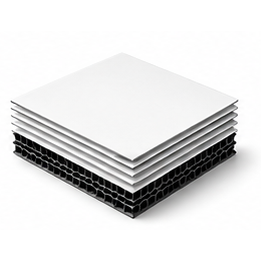
Options such as linen, pearl, suede, or layered cards can create a luxurious feel that stands out from standard cards.
The texture and weight of a card often influence how people perceive your business before they even read the information printed on it.
Consider Specialty Finishes
If you want your professional business cards to truly stand apart, specialty finishes can create a memorable experience.
Popular enhancements include:
- Raised UV coating
- Foil stamping
- Spot gloss
- Embossing
- Die-cut shapes
- Rounded corners
These finishing touches can highlight key design elements and create a premium look that reflects the quality of your products or services.
Focus on Readability
No matter how creative your design may be, readability should always come first.
Use legible fonts and maintain sufficient contrast between text and background colors. Small details may look attractive on a computer screen but become difficult to read when printed.
Before placing your order, review the design at actual size to ensure all information remains clear and accessible.
Think Beyond Contact Information
Modern business cards can do much more than provide a phone number. Consider adding value by including:
- Social media handles
- Appointment booking links
- Portfolio access via QR code
- Special offers or discounts
- Product or service highlights
These additions can help transform your card from a simple contact tool into an active marketing asset.
Invest in Quality
A business card is often the first physical representation of your company that a prospect receives. Cheap materials and poor printing can leave a negative impression, while professionally printed cards signal quality and trustworthiness.
At HausPrint, we believe custom business cards should work as hard as you do. From premium paper stocks to specialty finishes, the right combination of design and production can help your brand stand out long after the first handshake.
Final Thoughts
A memorable business card isn’t necessarily the flashiest one—it’s the one that effectively communicates your brand, looks professional, and leaves a positive impression. By focusing on strong business card design, premium materials, and thoughtful branding, you can create professional business cards that open doors, spark conversations, and generate opportunities.
When designed correctly, a business card becomes more than a piece of paper—it becomes a powerful extension of your business.
































There are 3 comments
Nullam luctus arcu at mi gravida, quis ornare metus venenatis. Phasellus sed arcu sed eros sagittis luctus eget in justo. Aliquam porta turpis magna, at porta purus egestas quis.
Morbi id purus eget metus fermentum consequat eu in diam. Phasellus at vestibulum dolor. Quisque maximus felis eu sapien commodo, ut molestie libero facilisis.
Nullam luctus arcu at mi gravida, quis ornare metus venenatis. Phasellus sed arcu sed eros sagittis luctus eget in justo. Aliquam porta turpis magna, at porta purus egestas quis 2.