$0.00

 Canvas Prints
 Framed Prints
 Metal Wall Prints
 Mounted Wall Prints
 Photo Books
 Photo Plaques
 A-Frame Boards
 Acrylic Boards
 Aluminum Boards
 Banners
 Banner Stands
 Cardboard Signs
 Car Magnets
 Foam Boards
 Plastic Signage
 Table Tents
 Yard Signs
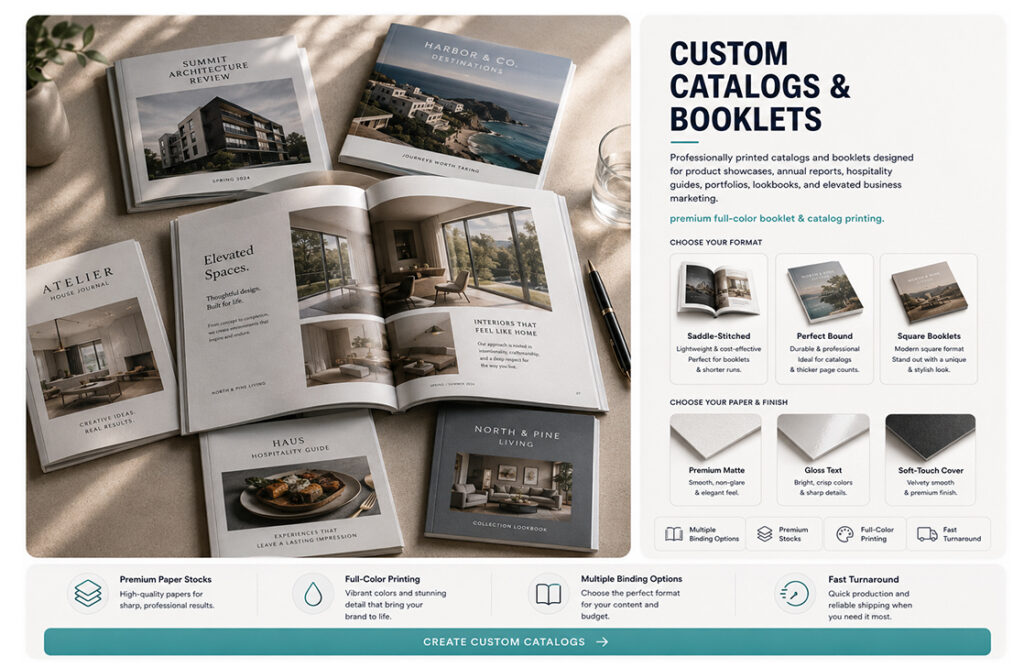
 Booklets & Catalogs
 Bookmarks
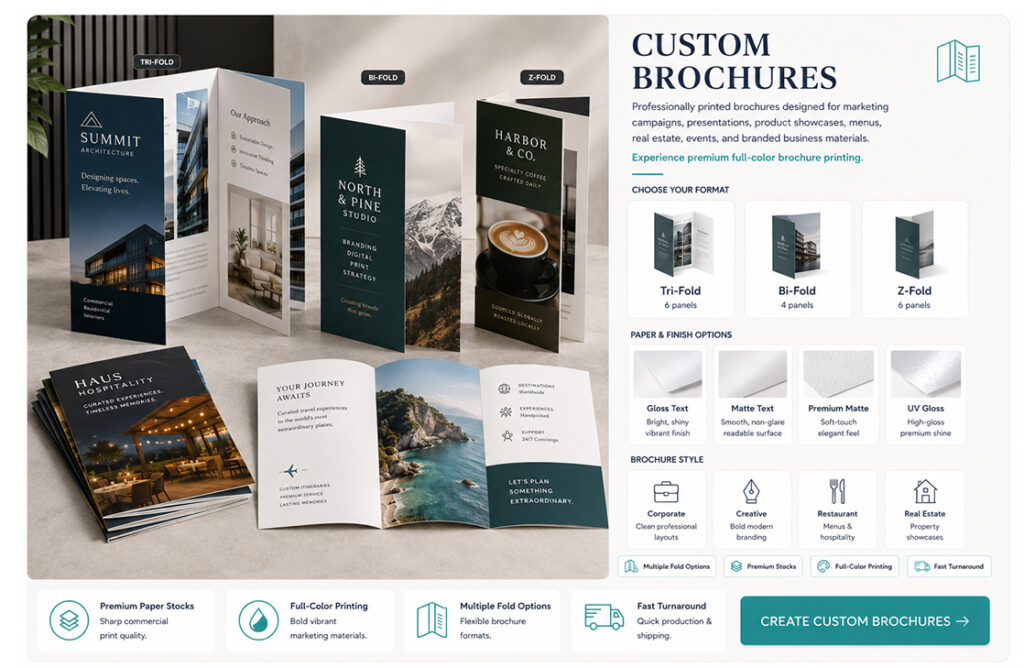
 Brochures
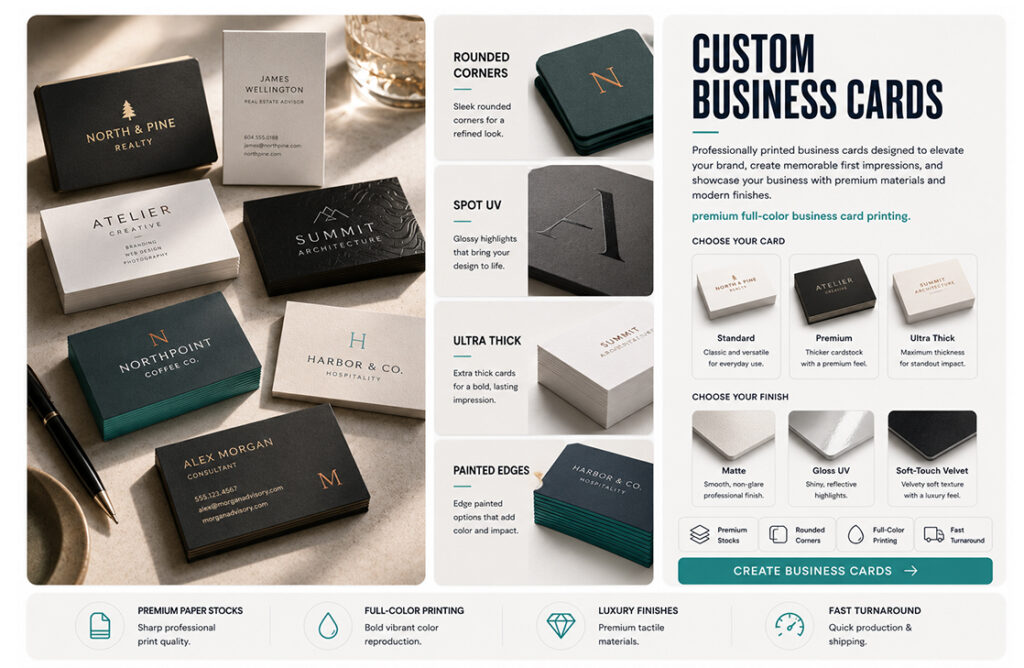
 Business Cards
 Door Hangers
 Envelopes – Custom
 Flyers
 Folders
 Rack Cards
 Rip Cards
 Stickers
 Beanies
 Calendars
 Can Coolers
 Drawstring Bags
 Hats
Hats Hoodies
 Mouse Pads
 Poker Chips
 Polos
Polos Puzzles
 T-Shirts
 Canvas Bags
 Coasters
 Letterhead
 Mugs
Mugs Notepads
 Posters
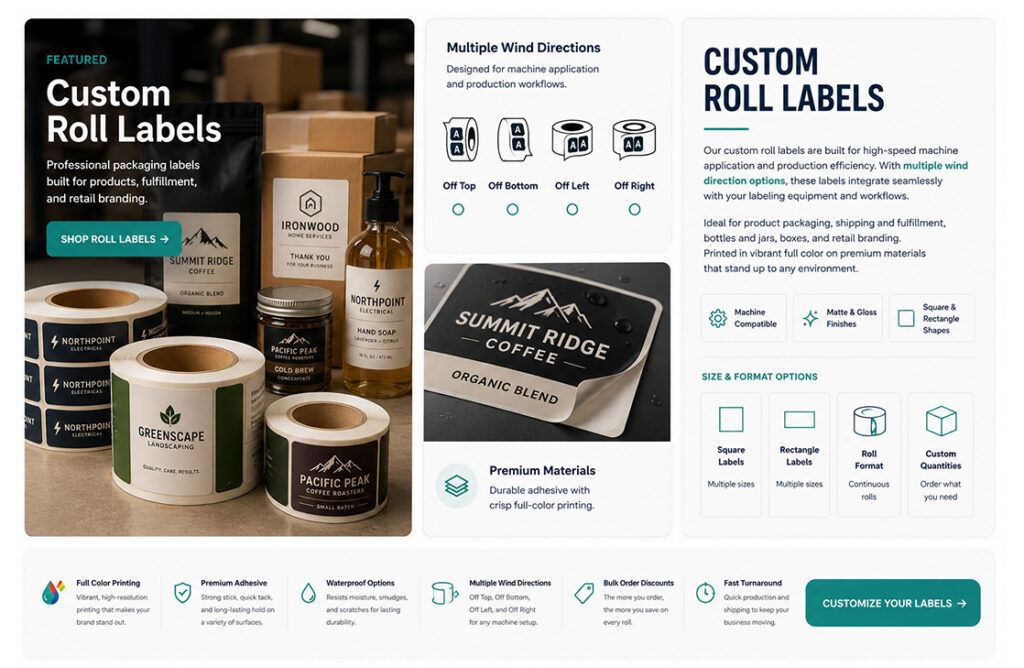
 Roll Labels
 Window Clings
 Window Decals
 Window Perfs
 PVC Boards
For years, design seemed to move in one direction: cleaner, flatter, and more digital. Brands embraced minimalism, polished gradients, and perfectly symmetrical layouts in an effort to look modern. While that style still has its place, a new movement has been gaining momentum—and it’s taking inspiration from the past.
Today, more businesses, artists, and designers are embracing analog design. From hand-drawn illustrations and textured paper to vintage typography and imperfect layouts, the appeal of handmade creativity is stronger than it’s been in decades. In a world filled with AI-generated graphics and endless digital content, people are craving something that feels authentic, personal, and real.
For businesses looking to stand out, this shift presents an exciting opportunity. Better yet, it’s a trend that naturally pairs with professionally printed materials.
People want to know there’s a real person behind the business they’re supporting.
Why Analog Design Feels Different
There’s something undeniably appealing about work that doesn’t look machine-made.
Whether it’s a letterpress-inspired business card, a sketchbook-style illustration, or a logo that looks like it was drawn by hand, analog design introduces warmth and personality into a brand. Small imperfections—slightly uneven lines, subtle ink textures, or natural brush strokes—make a design feel human.
Ironically, many of these effects are created digitally today. Designers often use software to recreate the appearance of vintage print techniques, worn textures, or hand-painted artwork. But regardless of how they’re produced, the goal is the same: to create work that feels less sterile and more approachable.
Consumers notice that difference. Authentic-looking designs often feel more trustworthy because they appear crafted rather than manufactured.
The Influence of Vintage Graphic Design
One of the biggest inspirations behind this movement is vintage graphic design.
Designers are borrowing ideas from old travel posters, concert flyers, product packaging, matchbooks, newspaper advertisements, and hand-painted storefront signs. These older pieces relied on bold typography, rich colors, detailed illustrations, and thoughtful composition instead of flashy digital effects.
Many modern brands are rediscovering these techniques because they create an immediate emotional connection. They remind people of craftsmanship, quality, and simpler times without feeling outdated.
You’ll see these influences everywhere—from coffee shops and breweries to clothing brands, record stores, farmers markets, and boutique retailers. Even large national brands have begun incorporating retro-inspired elements into seasonal campaigns and limited-edition packaging because they recognize how effectively nostalgia captures attention.
Handmade Branding Creates Authentic Connections
Today’s consumers value authenticity more than ever.
People want to know there’s a real person behind the business they’re supporting. That’s one reason handmade branding has become so popular among small businesses and independent creators.
A hand-lettered logo, custom illustrations, textured backgrounds, or imperfect patterns communicate that a brand values creativity over perfection. Those details help businesses feel approachable rather than corporate.
Even companies that don’t literally make products by hand can benefit from incorporating handmade visual elements into their branding. Restaurants, photographers, florists, coffee roasters, outdoor brands, nonprofits, and creative agencies often use these design styles to create a more personal relationship with their customers.
The goal isn’t to look old—it’s to look genuine.
Why Print Brings Analog Design to Life
While these aesthetics can certainly work online, they’re at their best in print.
Digital screens flatten many of the details that make handmade-inspired artwork so appealing. Printed materials, on the other hand, allow people to experience texture, weight, and color in a way that simply isn’t possible on a monitor.
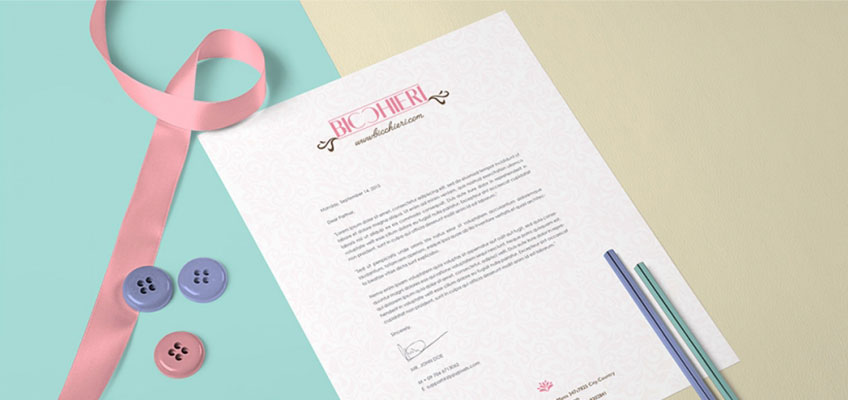
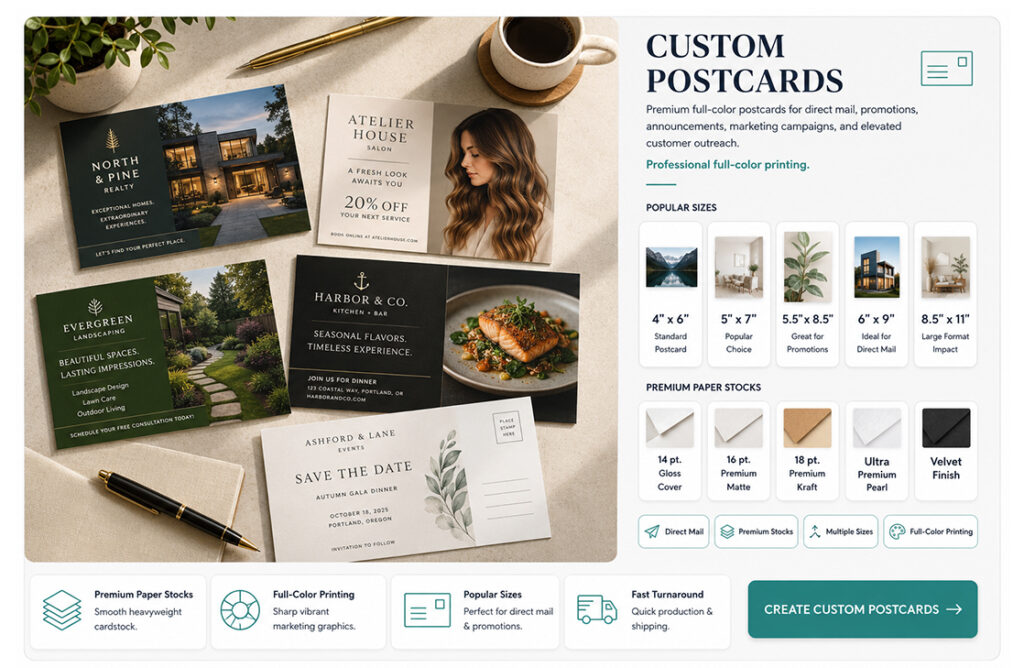
Imagine holding a thick business card with subtle paper texture, receiving a beautifully printed postcard with vintage illustrations, or opening product packaging that features hand-drawn graphics on premium paper stock. Those physical experiences leave a lasting impression.
Print adds another layer of authenticity because it becomes something customers can touch, keep, and remember.
Print Trends That Celebrate Imperfection
Many current print trends reflect this return to handcrafted design.
We’re seeing increased demand for:
- Natural, uncoated paper stocks
- Kraft paper packaging
- Letterpress-inspired layouts
- Hand-drawn illustrations
- Vintage typography
- Limited color palettes
- Organic textures
- Visible grain and subtle distressed effects
These design choices help printed materials feel timeless rather than trendy. Instead of chasing every new digital aesthetic, businesses are investing in branding that feels established and memorable.
The result is marketing that’s more likely to stand out in a crowded marketplace.
Finding the Right Balance
Of course, embracing analog inspiration doesn’t mean abandoning modern design principles.
The strongest brands combine the best of both worlds. They pair handcrafted illustrations with clean layouts, use vintage-inspired typography while maintaining readability, and incorporate textured backgrounds without sacrificing clarity.
A thoughtful balance allows businesses to enjoy the warmth of analog design while still presenting a polished, professional image.
It’s not about recreating the past exactly—it’s about borrowing the elements that make people feel something.
Bring Authentic Design Into the Real World
As digital experiences become more automated, genuine craftsmanship becomes even more valuable. That’s why analog design, vintage graphic design, and handmade branding continue to influence some of today’s most successful creative work.
When paired with high-quality printing, these styles become even more impactful. Premium paper stocks, accurate color reproduction, specialty finishes, and professional production help preserve every texture, brush stroke, and design detail that gives handmade-inspired work its character.
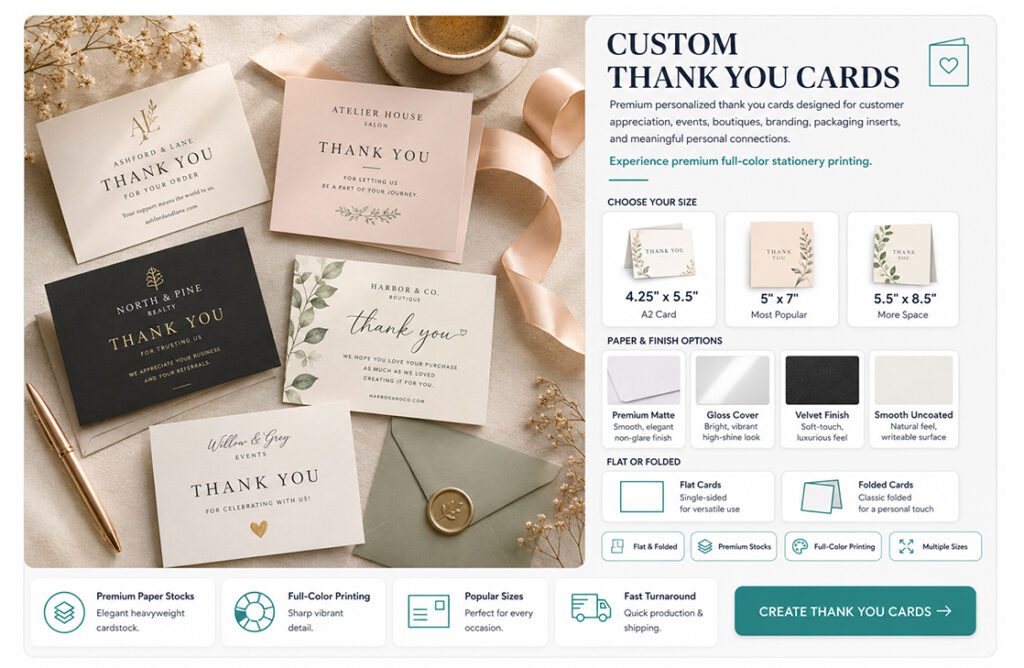
At Haus Print Shop, we love helping businesses, artists, and designers turn creative ideas into beautiful printed pieces. Whether you’re producing business cards, brochures, posters, postcards, packaging, or promotional materials, we can help you bring today’s most inspiring print trends to life with exceptional quality and craftsmanship.
In a world dominated by digital content, the brands that stand out are often the ones that feel the most human. By embracing analog-inspired design and pairing it with professional printing, you can create marketing materials that don’t just capture attention—they create lasting connections.