$0.00

 Canvas Prints
 Framed Prints
 Metal Wall Prints
 Mounted Wall Prints
 Photo Books
 Photo Plaques
 A-Frame Boards
 Acrylic Boards
 Aluminum Boards
 Banners
 Banner Stands
 Cardboard Signs
 Car Magnets
 Foam Boards
 Plastic Signage
 Table Tents
 Yard Signs
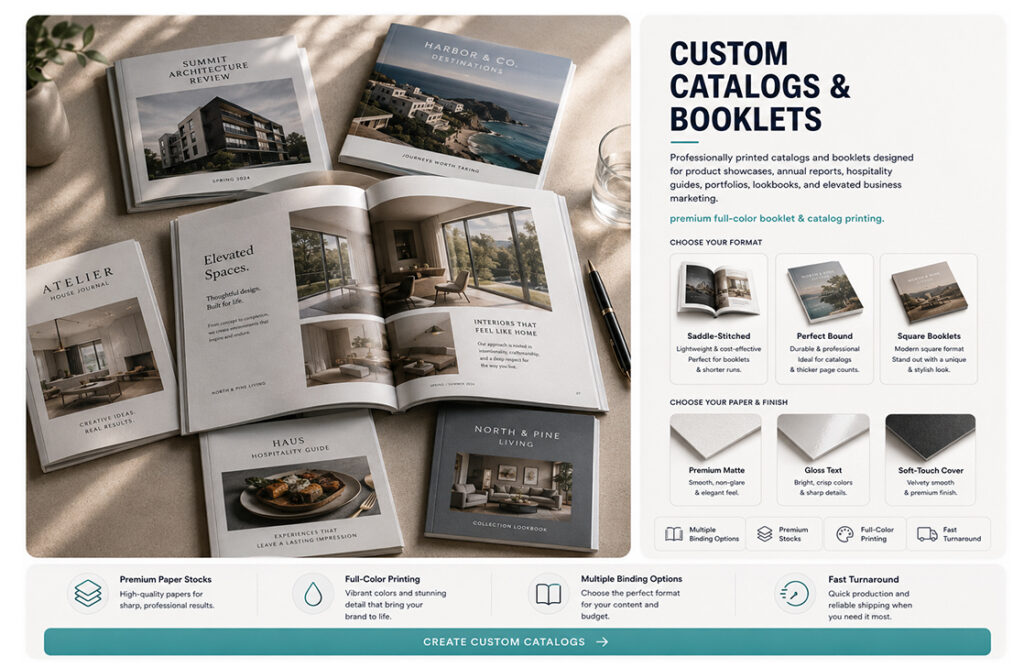
 Booklets & Catalogs
 Bookmarks
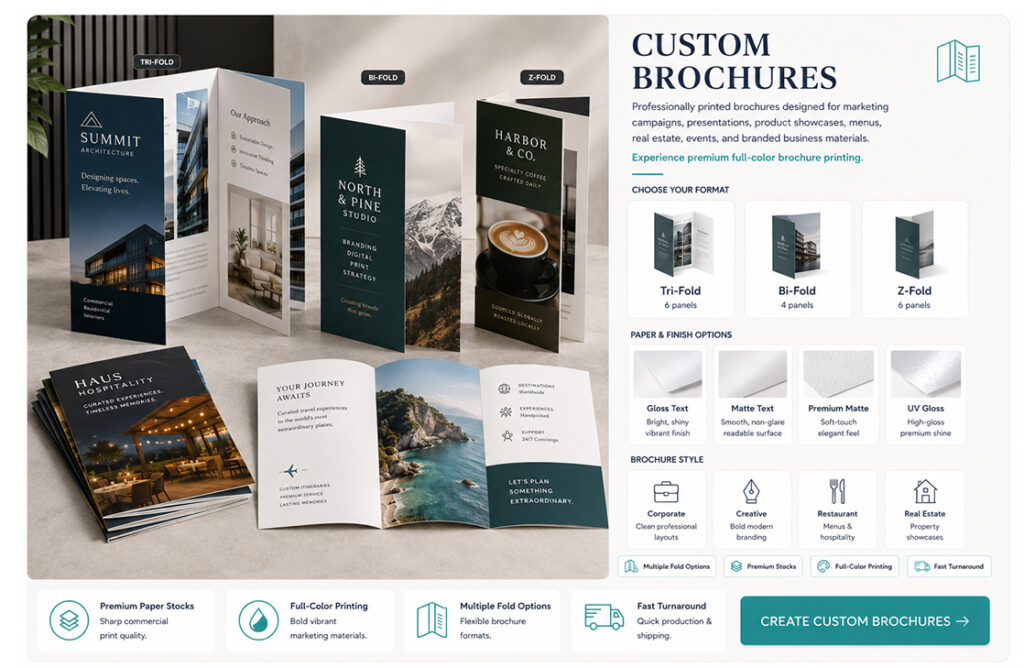
 Brochures
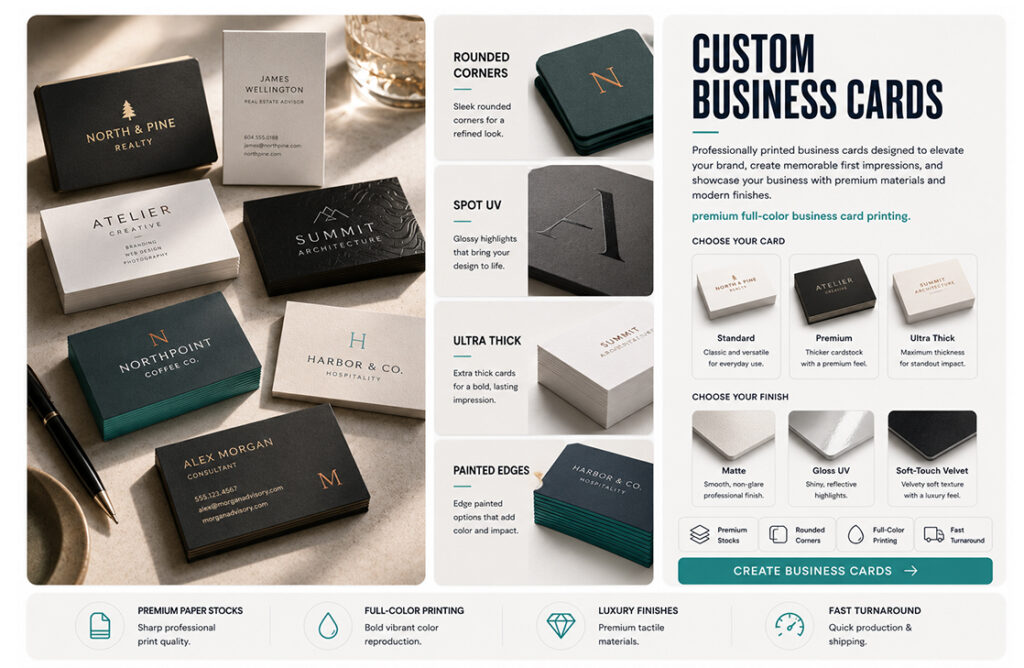
 Business Cards
 Door Hangers
 Envelopes – Custom
 Flyers
 Folders
 Rack Cards
 Rip Cards
 Stickers
 Beanies
 Calendars
 Can Coolers
 Drawstring Bags
 Hats
Hats Hoodies
 Mouse Pads
 Poker Chips
 Polos
Polos Puzzles
 T-Shirts
 Canvas Bags
 Coasters
 Letterhead
 Mugs
Mugs Notepads
 Posters
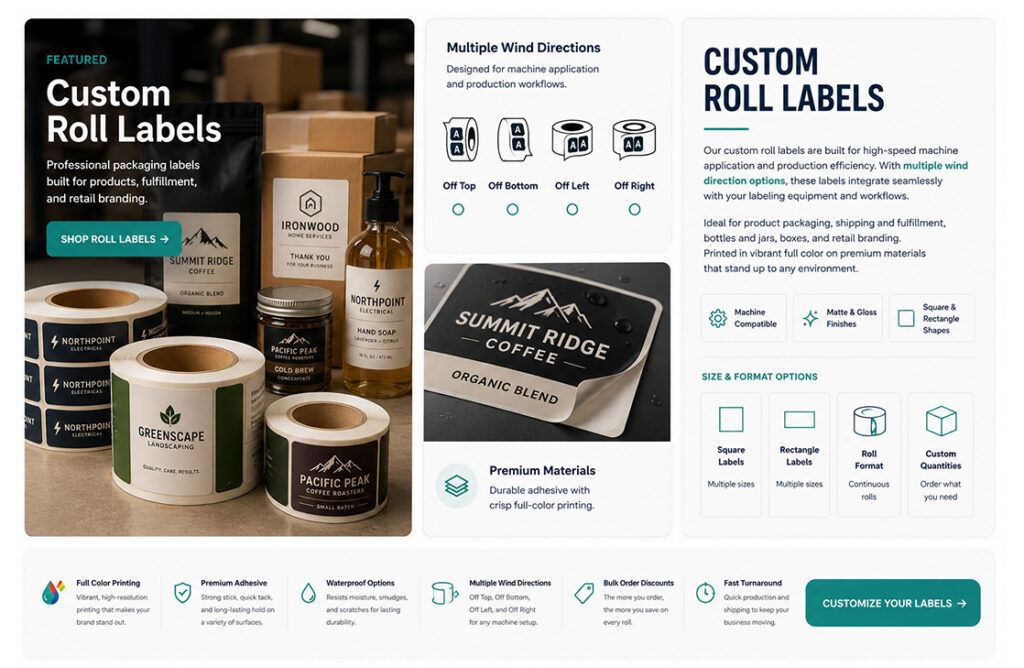
 Roll Labels
 Window Clings
 Window Decals
 Window Perfs





 PVC Boards
For many artists, there’s a special feeling that comes with holding a finished print for the first time. The colors are rich, the details are sharp, and the artwork you’ve spent countless hours creating has become something tangible that collectors can enjoy for years to come.
Whether you’re selling online, exhibiting at an art fair, or preparing for your first gallery show, producing limited edition prints is one of the best ways to make your work more accessible while preserving the value of the original piece. But creating a beautiful print involves much more than simply exporting a file and sending it to a printer.
From selecting the right paper to ensuring accurate color reproduction, thoughtful preparation can make all the difference. Here are a few things every artist should know before going to press.
Collectors notice quality.
Start with the Best Possible Digital File
No matter how incredible your artwork is, the final print can only be as good as the file it’s printed from.
If your work was created digitally, export it at the highest resolution available and at the final print size whenever possible. If your artwork began as a painting, drawing, or mixed-media piece, invest the time to capture it properly with professional photography or high-quality scanning.
Fine details, subtle textures, and smooth gradients are all part of what makes your work unique. Starting with a strong file helps preserve those qualities throughout the printing process.
It’s also a good idea to keep an untouched master file before making any adjustments specifically for print.
Choose the Right Paper for Your Artwork
Paper isn’t just something your artwork is printed on—it’s part of the artwork itself.
Different paper stocks create different experiences. A smooth matte paper may complement minimalist illustrations, while textured cotton paper can enhance watercolor paintings or charcoal drawings. Gloss papers often make photographs appear vibrant, while archival fine art papers emphasize depth and detail.
When producing art prints, think about how the paper supports your artistic style. The right choice can elevate your work and help collectors appreciate every brushstroke, pencil mark, or digital texture.
If possible, request sample packs before committing to a full print run. Seeing and feeling different papers in person makes the decision much easier.
Color Accuracy Is Everything
One of the biggest surprises for first-time artists is discovering that colors on a monitor don’t always match what comes off the printer.
Computer screens produce color using light, while printers use ink on paper. Different paper stocks also affect how colors appear, which means careful color management is essential.
Professional fine art reproduction relies on calibrated equipment and color-managed workflows to ensure the printed piece stays true to the original artwork. If your work contains subtle gradients, muted tones, or carefully chosen color palettes, working with an experienced print provider is especially important.
A test print or proof can help catch small adjustments before your entire edition is produced.
Decide on Your Edition Size
One of the defining characteristics of limited edition prints is their scarcity.
Before printing, decide how many pieces will be included in the edition. Some artists choose editions of 25 or 50, while others produce 100 or more depending on demand and the type of artwork.
Once you’ve established the edition, it’s generally considered good practice not to increase that number later. Limited editions derive much of their value from their exclusivity, and collectors appreciate knowing exactly how many prints exist.
Many artists also number each print by hand—for example, 12/100—along with a signature and the year it was produced.
These small details help reinforce authenticity and add value for collectors.
Think Beyond the Artwork
The print itself is only part of the customer experience.
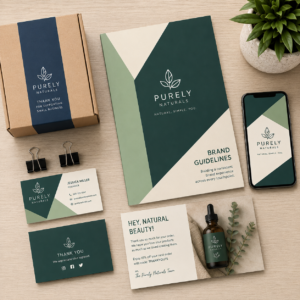
Professional packaging, certificates of authenticity, branded inserts, and protective sleeves all contribute to how collectors perceive your work.
A beautifully packaged print demonstrates care and professionalism. It also helps protect your artwork during shipping and creates a memorable unboxing experience for your customers.
These finishing touches often encourage repeat purchases and positive word-of-mouth recommendations.
Work with a Printer Who Understands Artists
Not every printer specializes in artist printing.
Artists have different priorities than someone ordering standard marketing materials. Preserving subtle color transitions, maintaining texture, selecting archival materials, and achieving exceptional detail require specialized knowledge and equipment.
A good print partner will answer questions, recommend appropriate paper options, explain finishing choices, and help ensure your artwork looks exactly the way you envisioned it.
Building a relationship with a trusted printer can make future editions and new collections much easier to produce.
Quality Builds Your Reputation
Collectors notice quality.
Sharp detail, accurate colors, premium paper, and careful craftsmanship all influence how your artwork is perceived. A professionally produced print reflects the same level of care and dedication that went into creating the original piece.
At Haus Print Shop, we understand that every artwork tells a story. That’s why we work closely with artists, illustrators, photographers, and creative professionals to produce exceptional art prints using premium materials and meticulous production standards. Whether you’re creating your first collection of limited edition prints or expanding an established portfolio through professional fine art reproduction, we’re here to help bring your vision to life.
Your artwork deserves more than an ordinary print. With thoughtful preparation, the right materials, and experienced artist printing professionals by your side, you can create prints that collectors will proudly display for years to come—and that represent your work exactly as you intended.