If you’ve spent any time marketing a direct-to-consumer business, you’ve probably heard the phrase “digital first.” Social media, email marketing, paid ads, and websites often dominate the conversation—and for good reason. They’re essential for attracting customers and driving online sales.
The strongest DTC branding strategies combine both digital and physical experiences to create a memorable customer journey.
But here’s something many growing brands overlook: digital design and print design aren’t competitors. They’re teammates.
The strongest DTC branding strategies combine both digital and physical experiences to create a memorable customer journey. When every touchpoint looks and feels connected, customers are more likely to recognize, trust, and buy from your brand. Consistent branding across print and digital channels reinforces recognition and builds credibility over time.
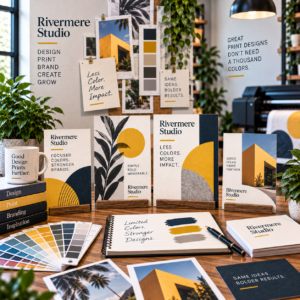 Your Brand Doesn’t Stop at the Checkout Page
Think about the last time you ordered from a company that impressed you. Chances are the experience didn’t end when you clicked “Buy Now.”
Maybe the package arrived with beautifully printed inserts. Maybe the custom packaging felt premium. Perhaps there was a thank-you card, a branded sticker, or a postcard offering a discount on your next purchase.
Those printed pieces become part of the overall customer experience. They’re physical reminders of your brand that customers can hold, share, and remember.
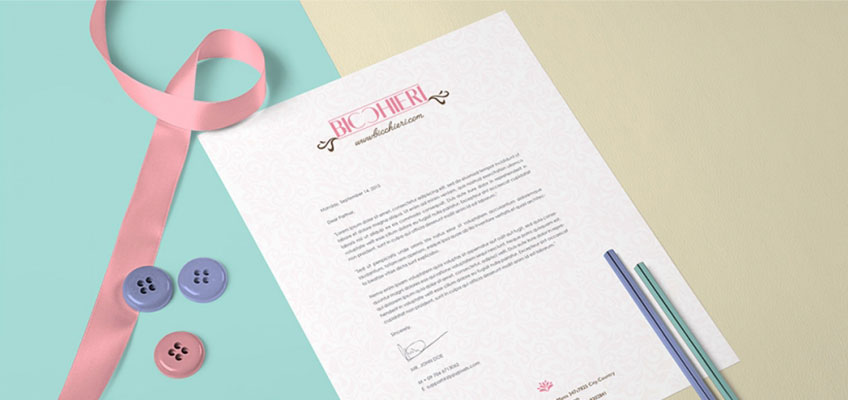
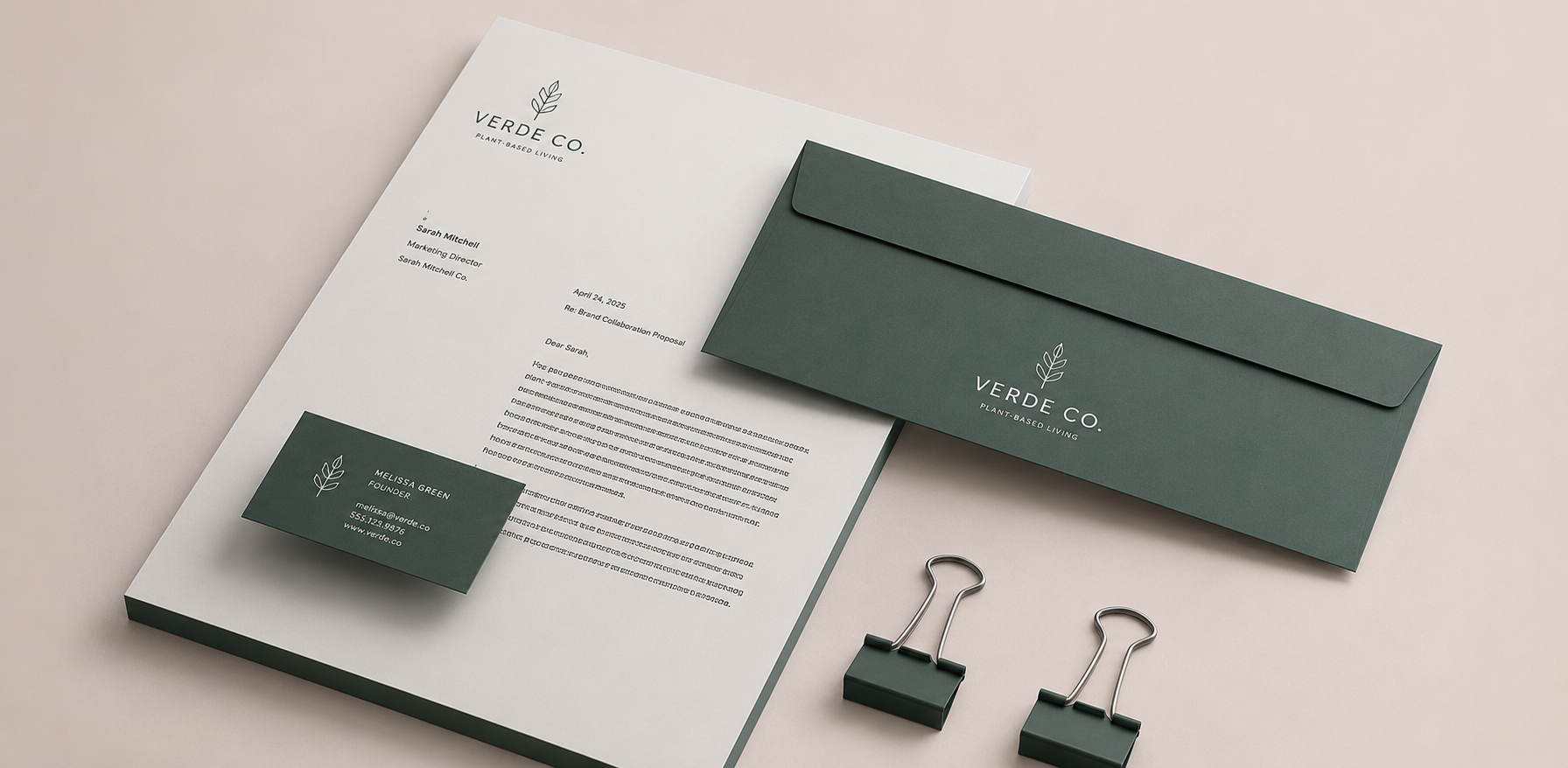
That’s where professional print design makes a difference. Instead of being an afterthought, printed materials become an extension of everything customers already saw online.
Consistency Builds Trust
One of the biggest mistakes DTC brands make is treating digital and print as separate projects.
Your Instagram graphics use one color palette, your website uses different fonts, and your packaging looks like it belongs to another company entirely. While customers may not consciously notice every inconsistency, they absolutely notice when something feels “off.”
Strong brand consistency means every piece of your marketing tells the same story.
That includes:
- Your website
- Email campaigns
- Social media graphics
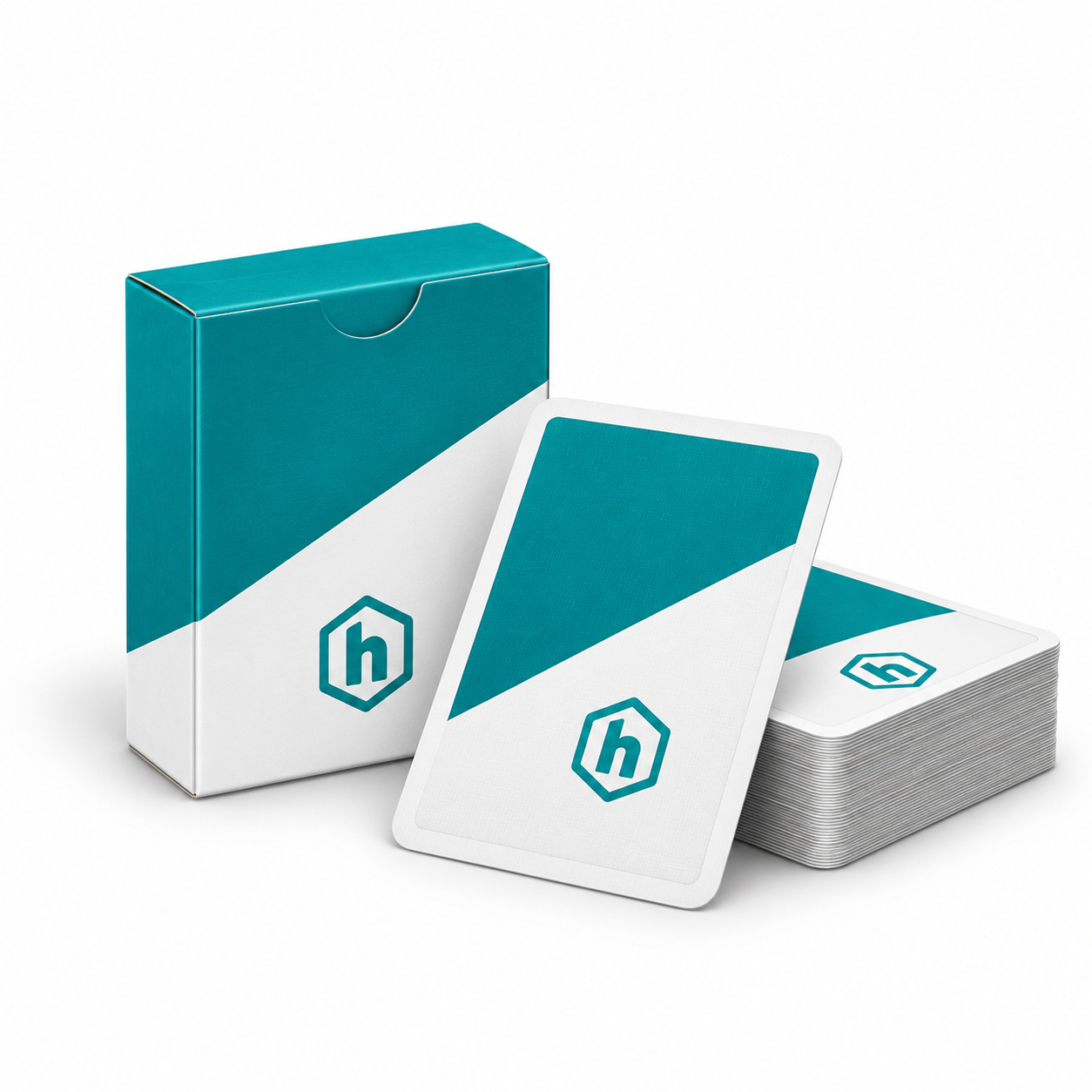
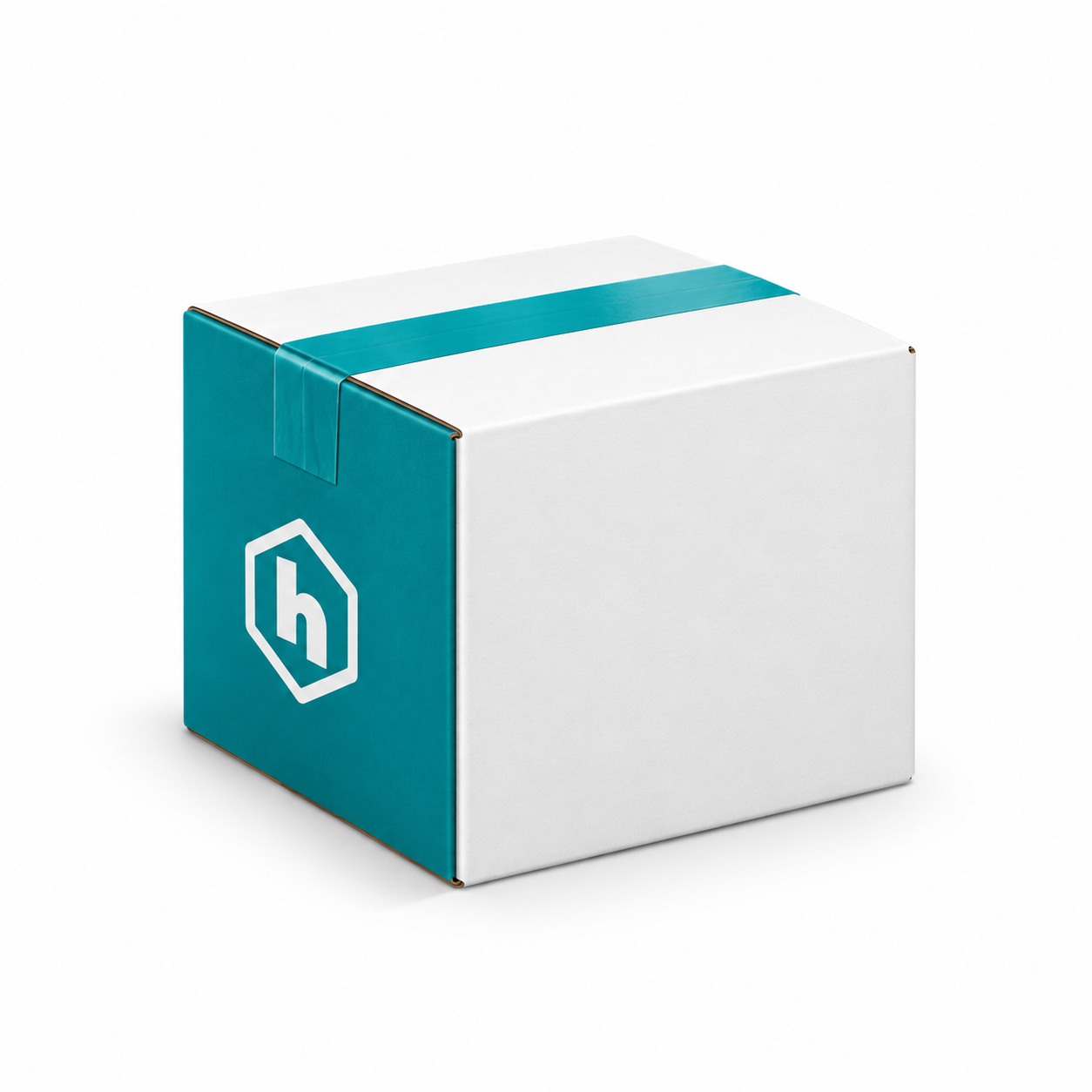
- Product packaging
- Business cards
- Thank-you cards
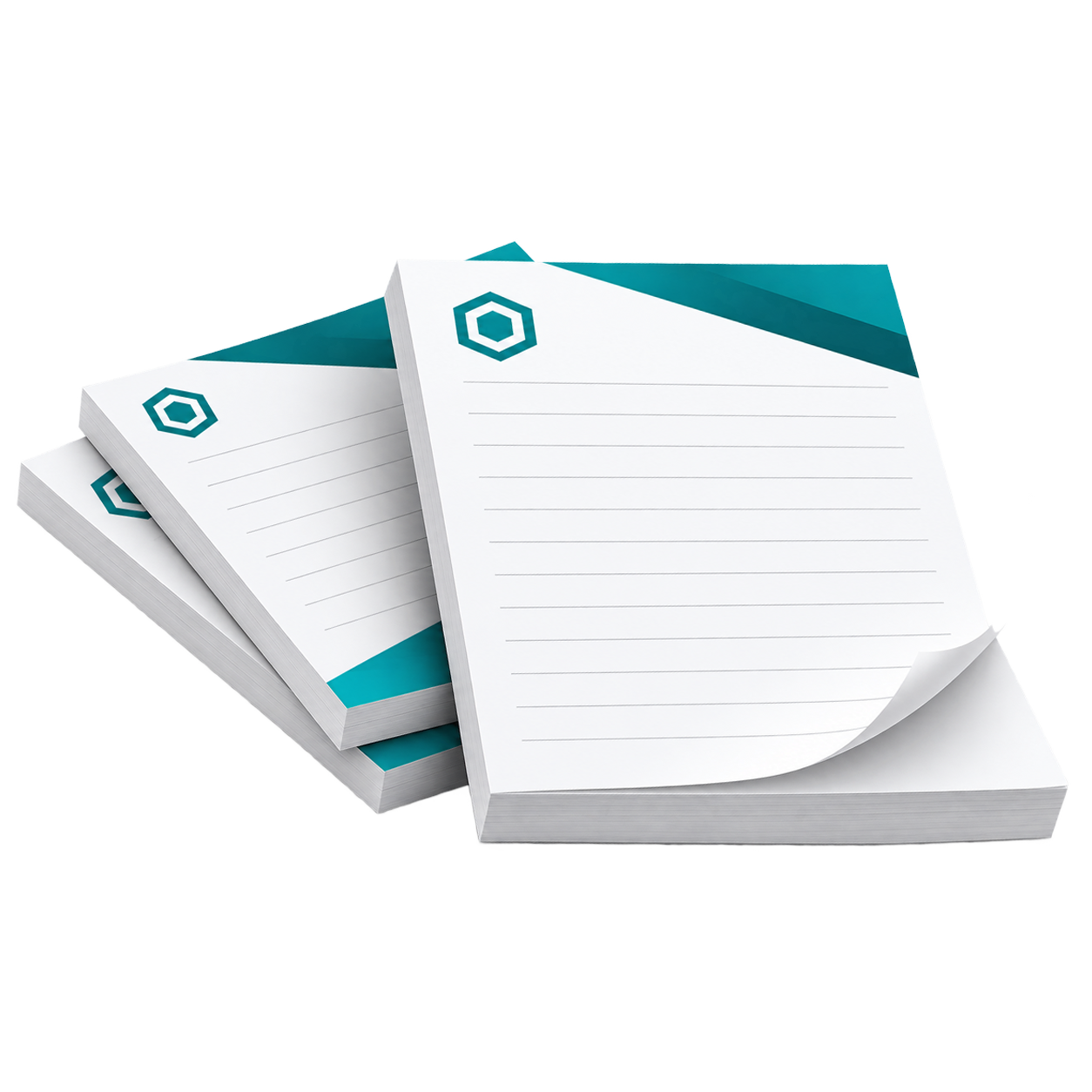
- Brochures
- Stickers
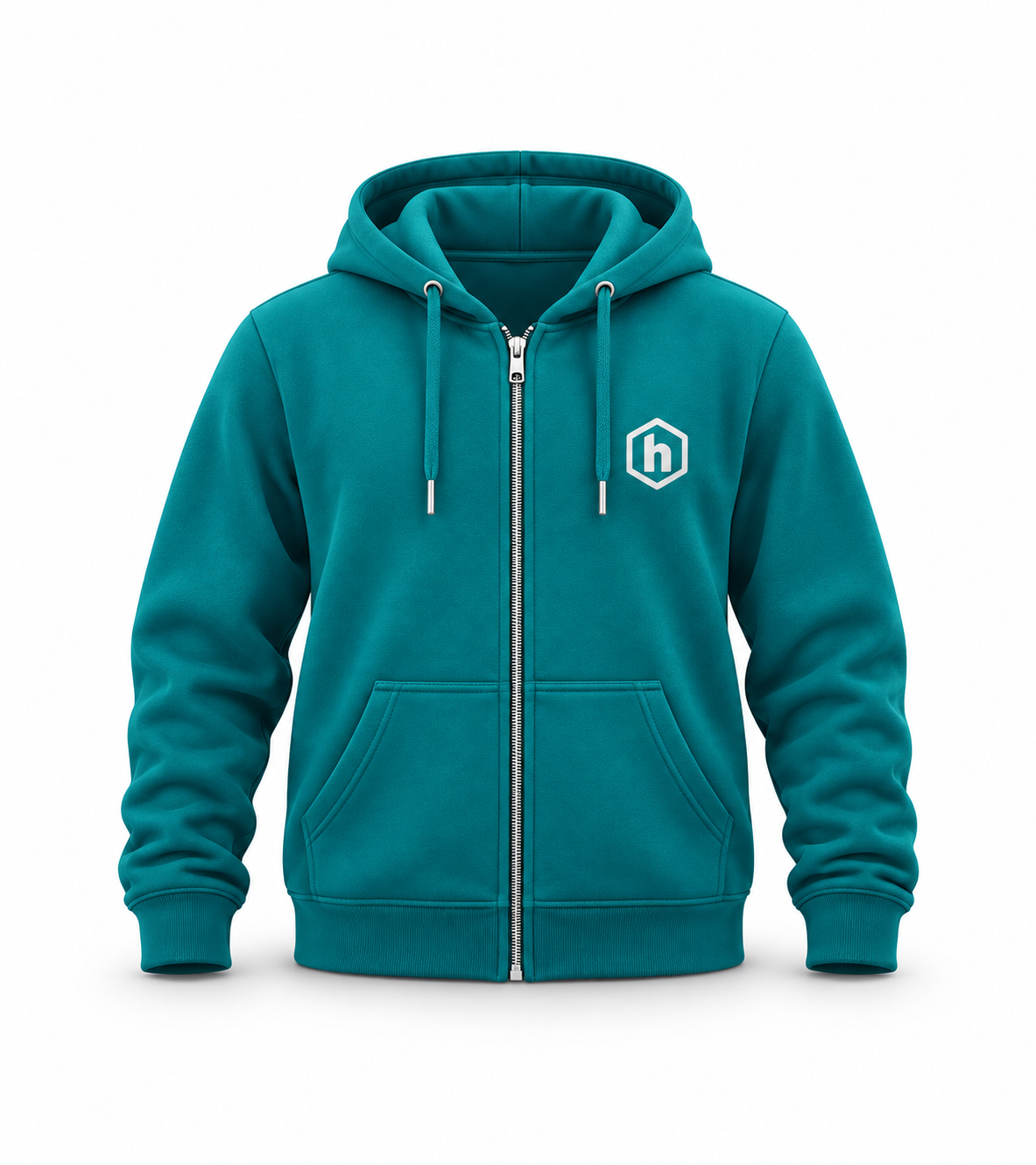
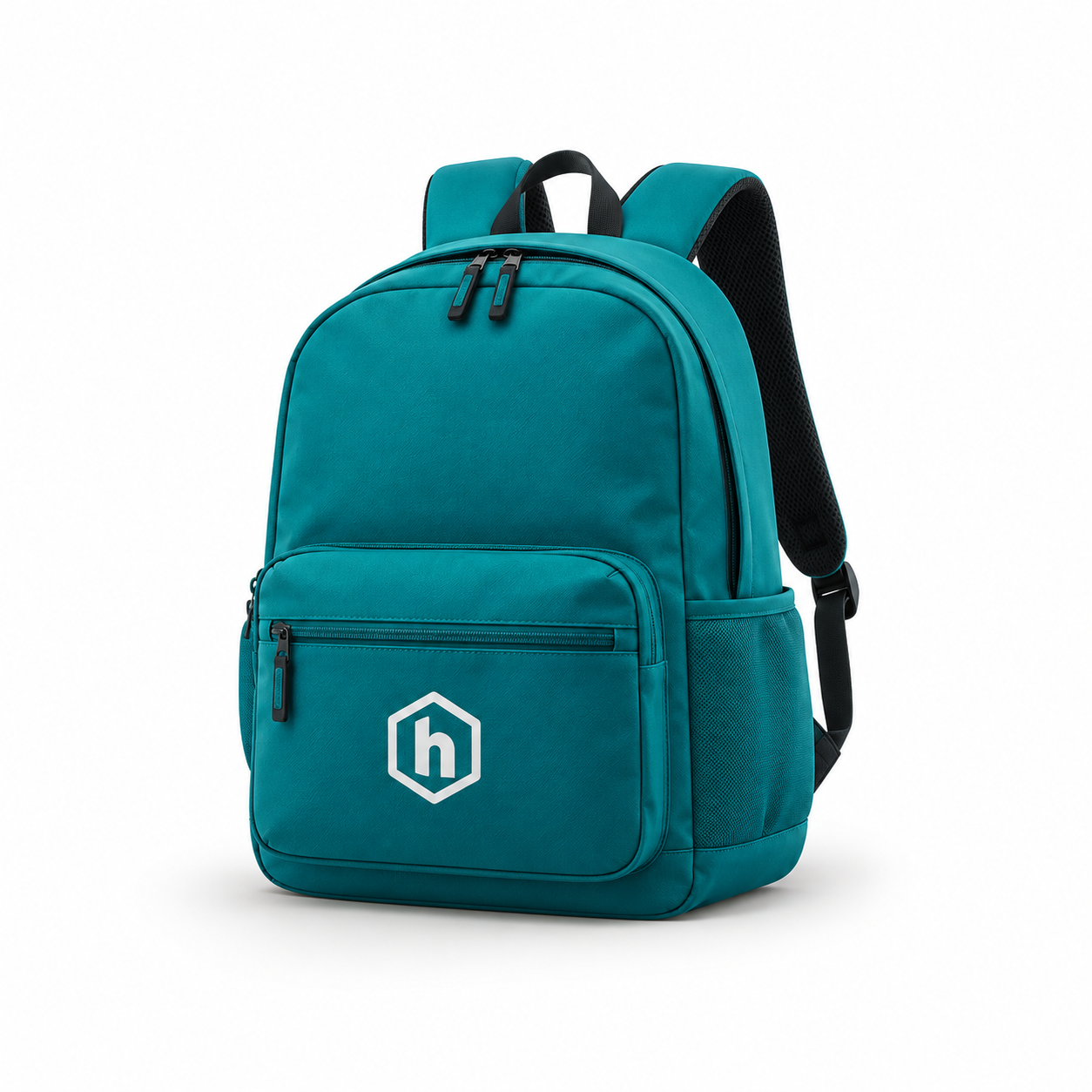
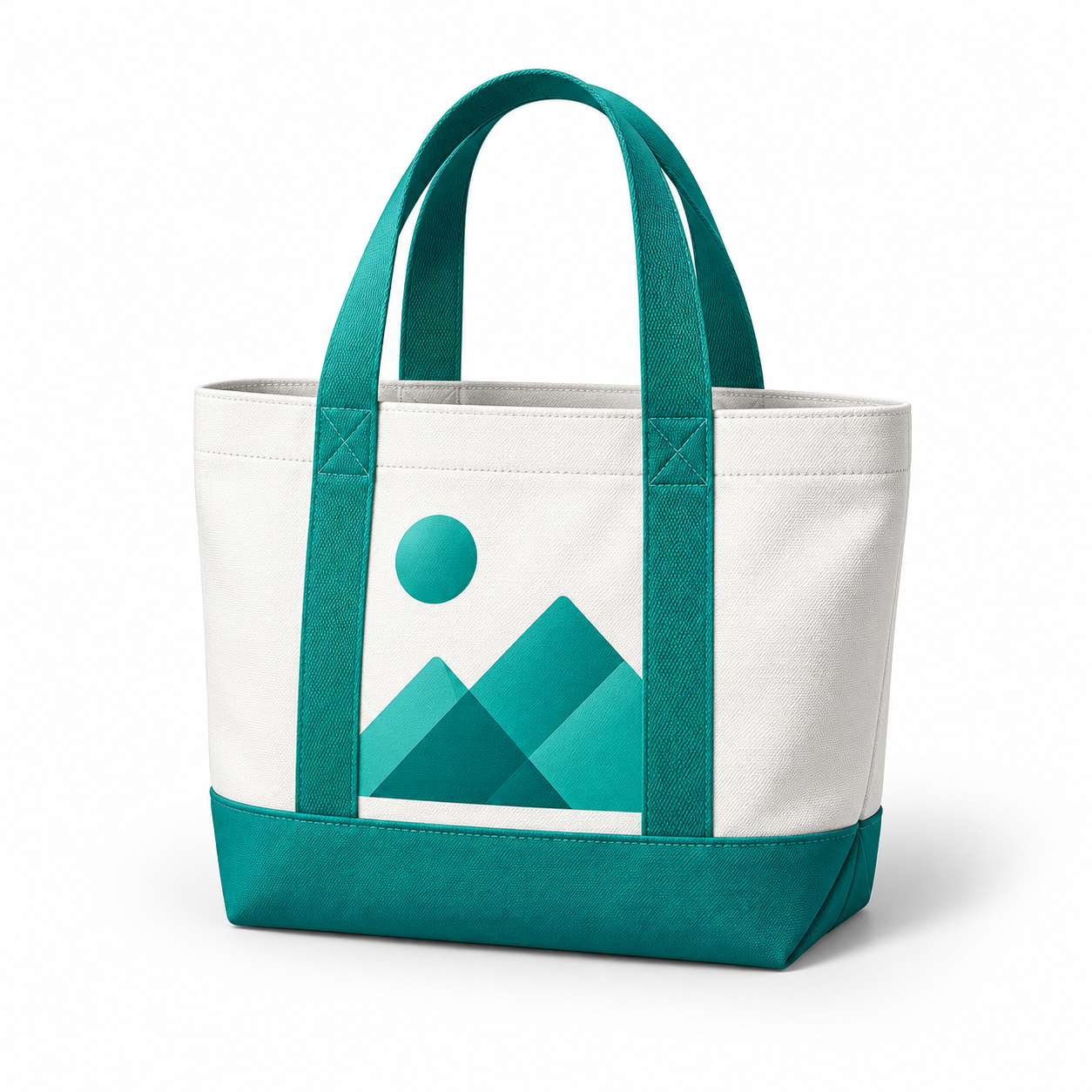
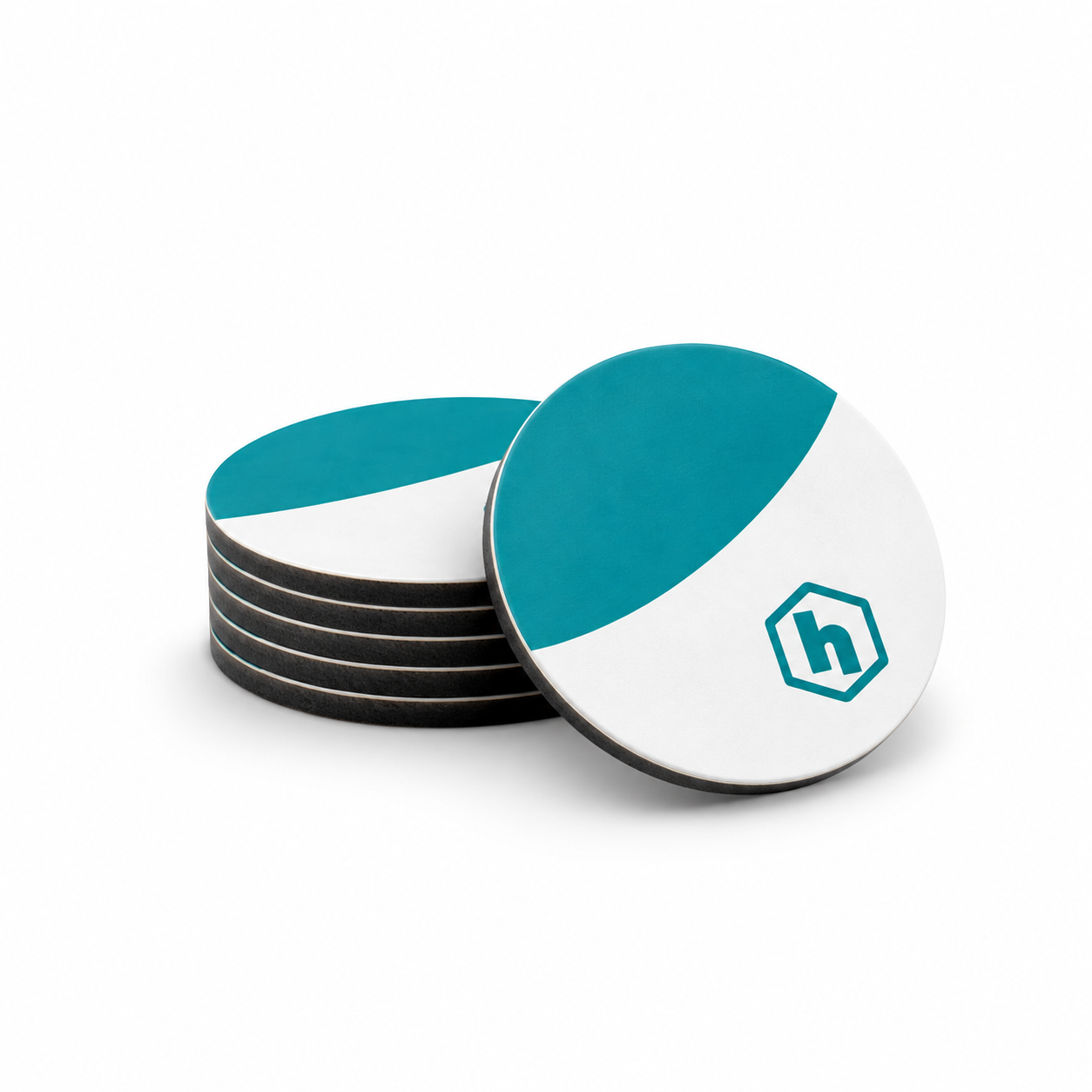
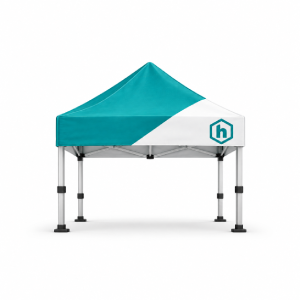
- Promotional products
- Event signage
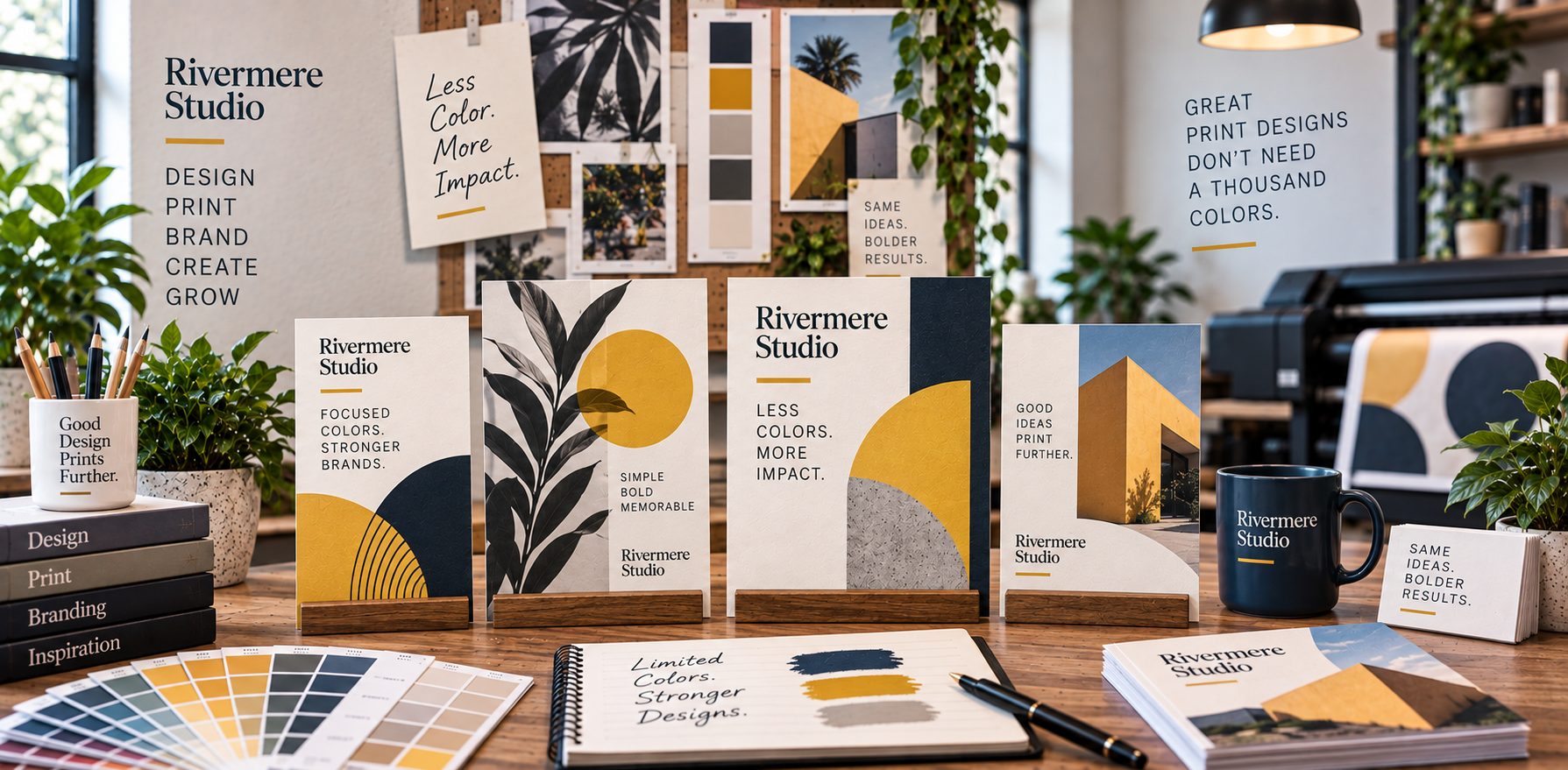
When customers encounter the same colors, typography, photography style, and messaging across every channel, your business appears more professional and memorable. Well-defined brand guidelines—including colors for both digital (RGB/HEX) and print (CMYK/Pantone), typography, and shared assets—help maintain that consistency across every customer touchpoint.
Print Creates an Experience Digital Can’t Replace
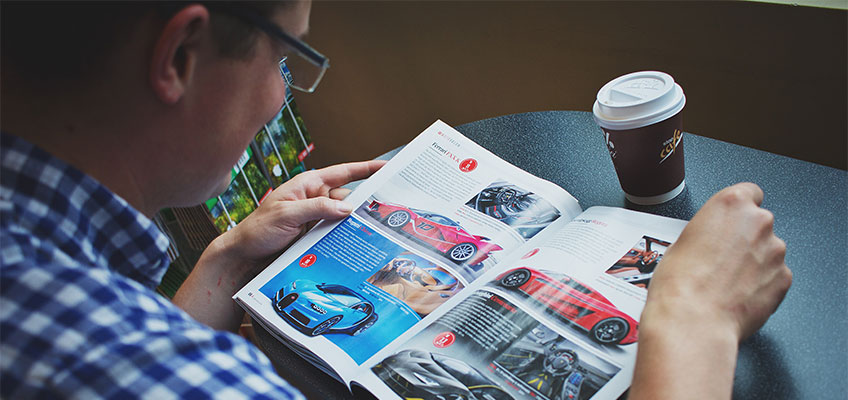
Digital marketing is fast. Print is tangible.
There’s something different about opening a well-designed package compared to scrolling past another online ad.
Printed materials engage multiple senses. Customers can feel the texture of premium paper, appreciate quality finishes, and spend more time interacting with your brand without another notification pulling their attention away.
For DTC businesses, this creates an opportunity to leave a lasting impression long after the sale.
Simple additions like branded inserts, product guides, custom labels, or premium packaging can transform a standard shipment into an experience customers want to share on social media.
Ironically, great print often generates even more digital content.
Digital Drives the Sale—Print Builds Loyalty
Digital channels are incredibly effective at attracting new customers.
SEO brings people to your website.
Social media builds awareness.
Email marketing encourages repeat purchases.
Paid ads generate traffic.
But after someone becomes a customer, print helps strengthen that relationship.
A thoughtfully designed thank-you card feels personal.
A high-quality catalog inspires future purchases.
Custom packaging reinforces your brand every time the box is opened.
Instead of viewing print as an added expense, successful DTC brands see it as an investment in customer retention.
Start Every Campaign with One Design System
Whether you’re launching a new product or refreshing your brand, it’s worth planning your digital and print materials together from the beginning.
Ask questions like:
- Will our website graphics match our packaging?
- Are our brand colors consistent in both digital and print?
- Do our printed materials feel like an extension of our online presence?
- Does every customer interaction reinforce the same brand personality?
Answering these questions early saves time, reduces redesigns, and creates a smoother customer experience.
How Haus Print Helps DTC Brands Stand Out
At Haus Print, we believe the best brands don’t choose between digital and print—they use both strategically.
Whether you need custom packaging, promotional products, marketing materials, apparel, signage, stickers, or branded inserts, our team helps bring your digital design into the physical world without losing the identity you’ve worked so hard to build.
When your print design reflects the same personality, quality, and professionalism as your website, customers notice.
And when customers remember your brand, they’re much more likely to come back.
In today’s competitive marketplace, great DTC branding isn’t just about having a beautiful website. It’s about creating a seamless experience from the first online impression to the moment a customer opens the box on their doorstep.
That’s where digital and print work best—together.