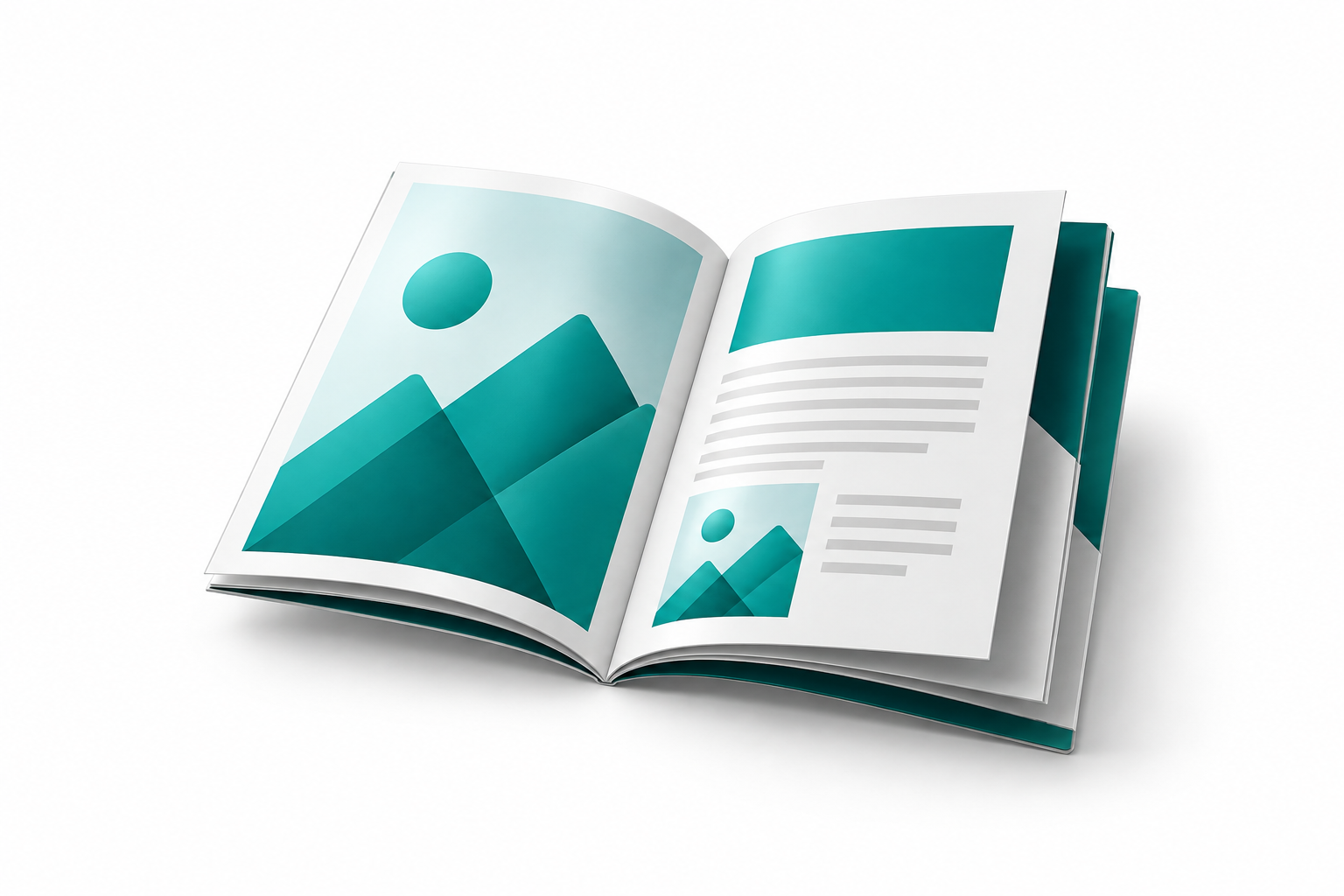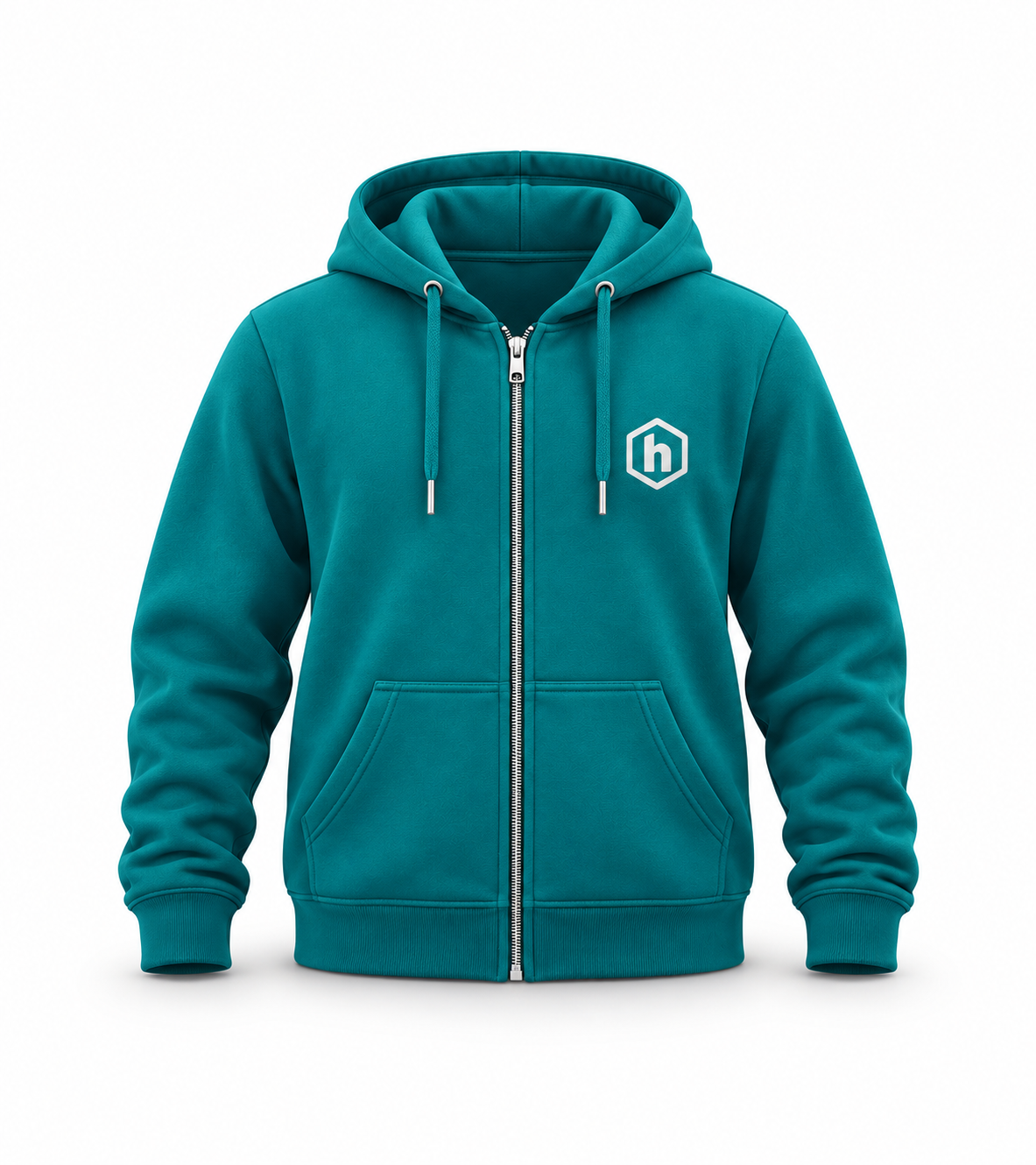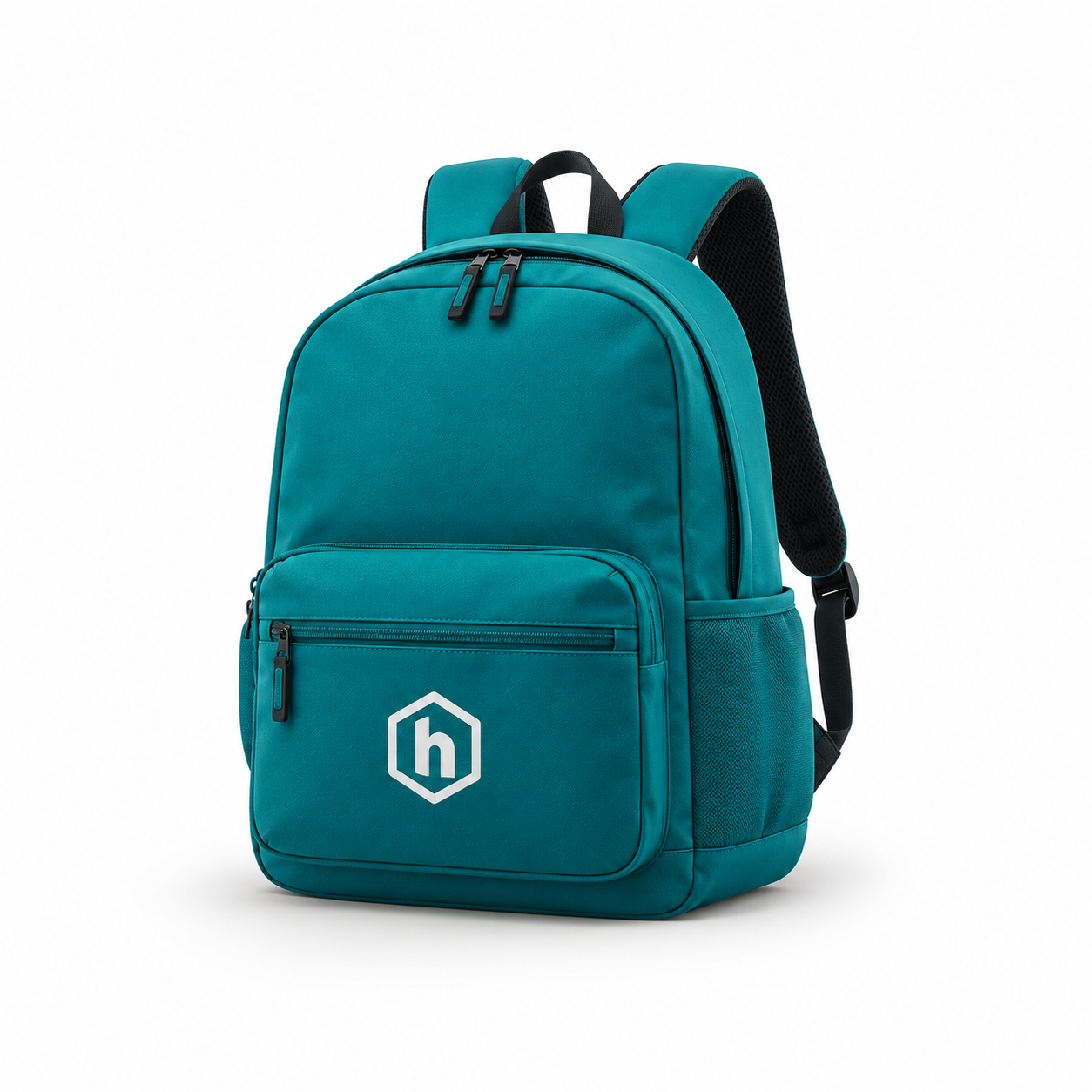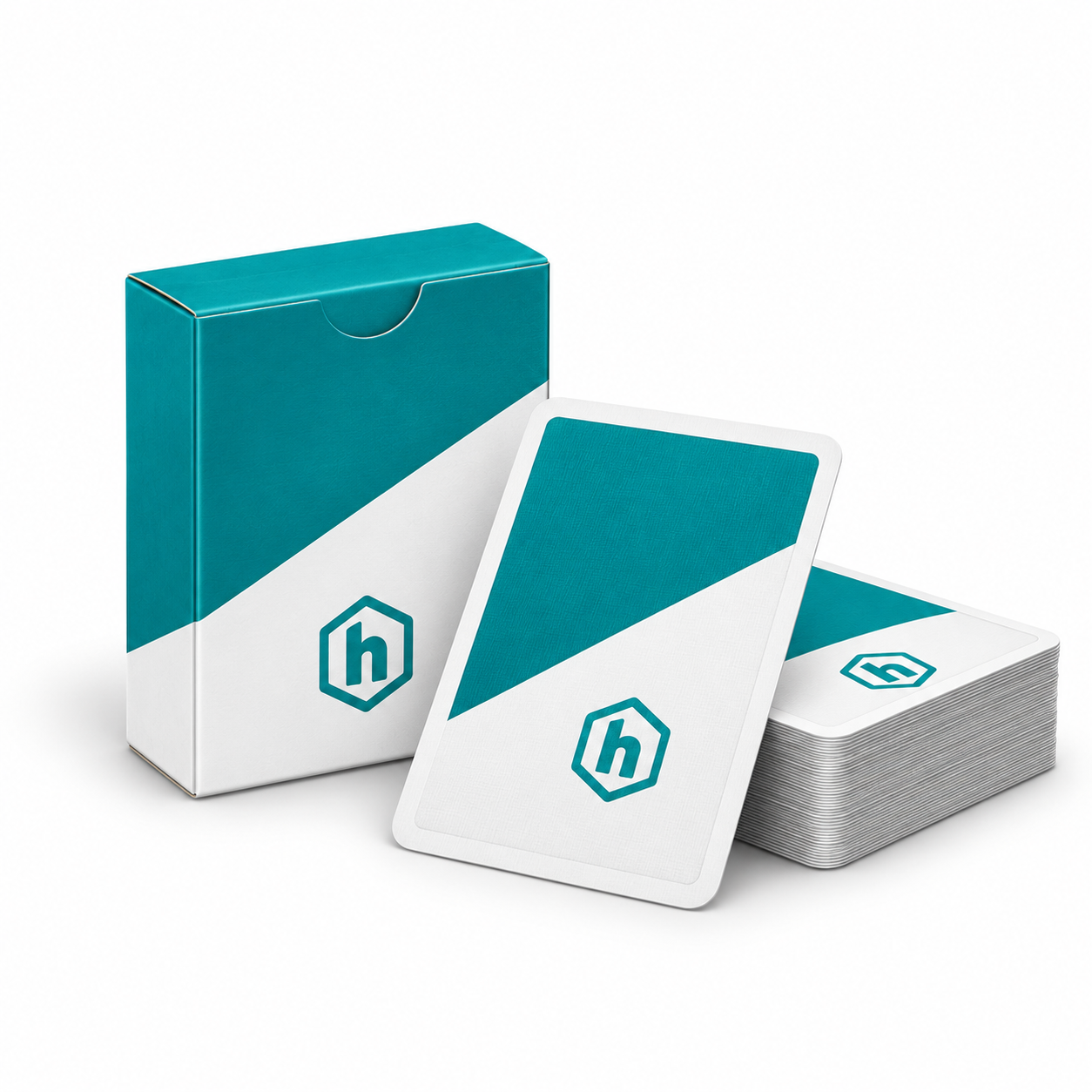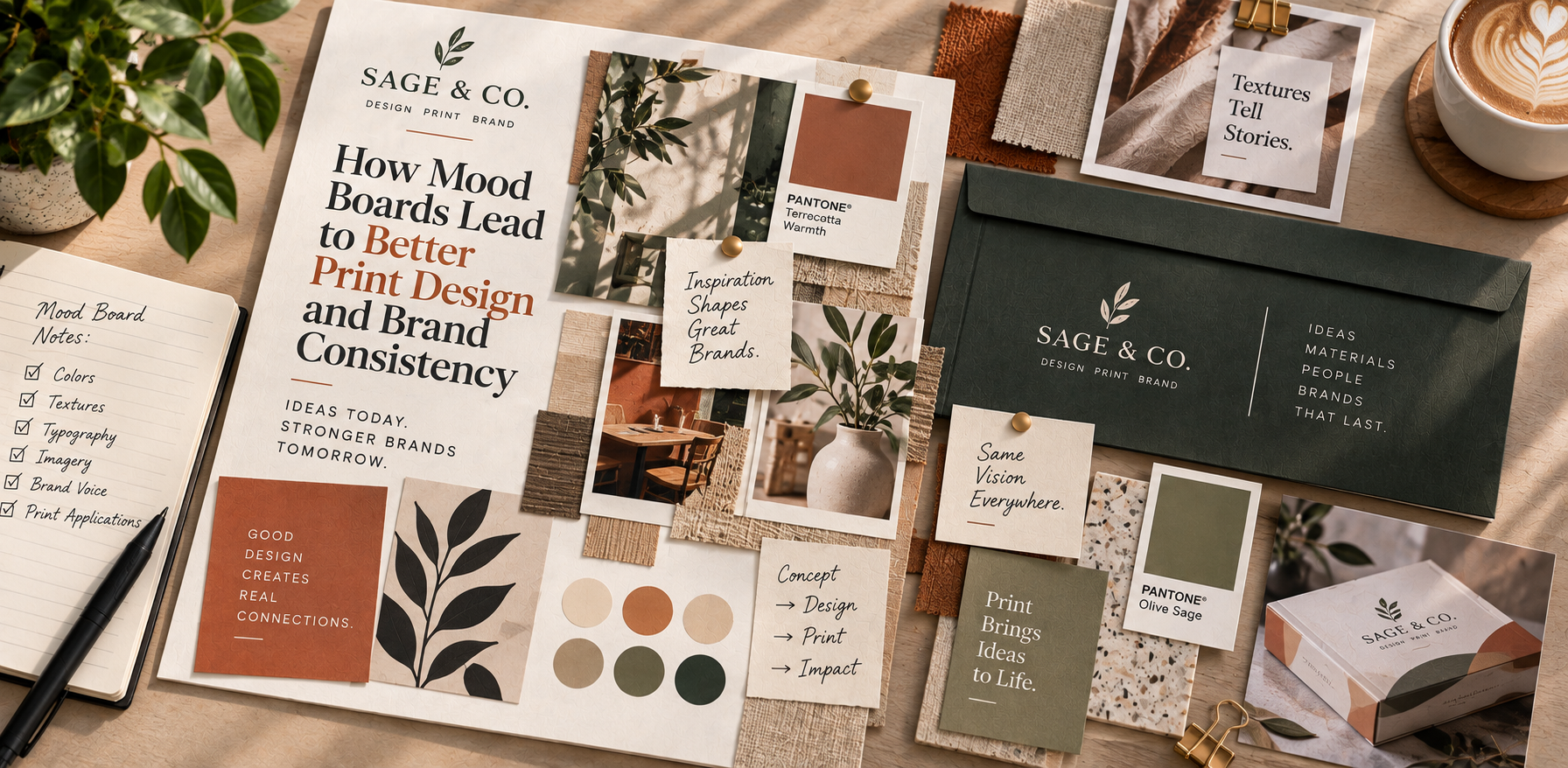
Every successful brand starts with an idea. Before the logo is finalized, the packaging is printed, or the first brochure goes to press, there’s usually a stage where ideas begin to take shape. Colors are explored, typography is tested, textures are considered, and images are gathered to define the overall look and feel.
That stage often begins with a mood board.
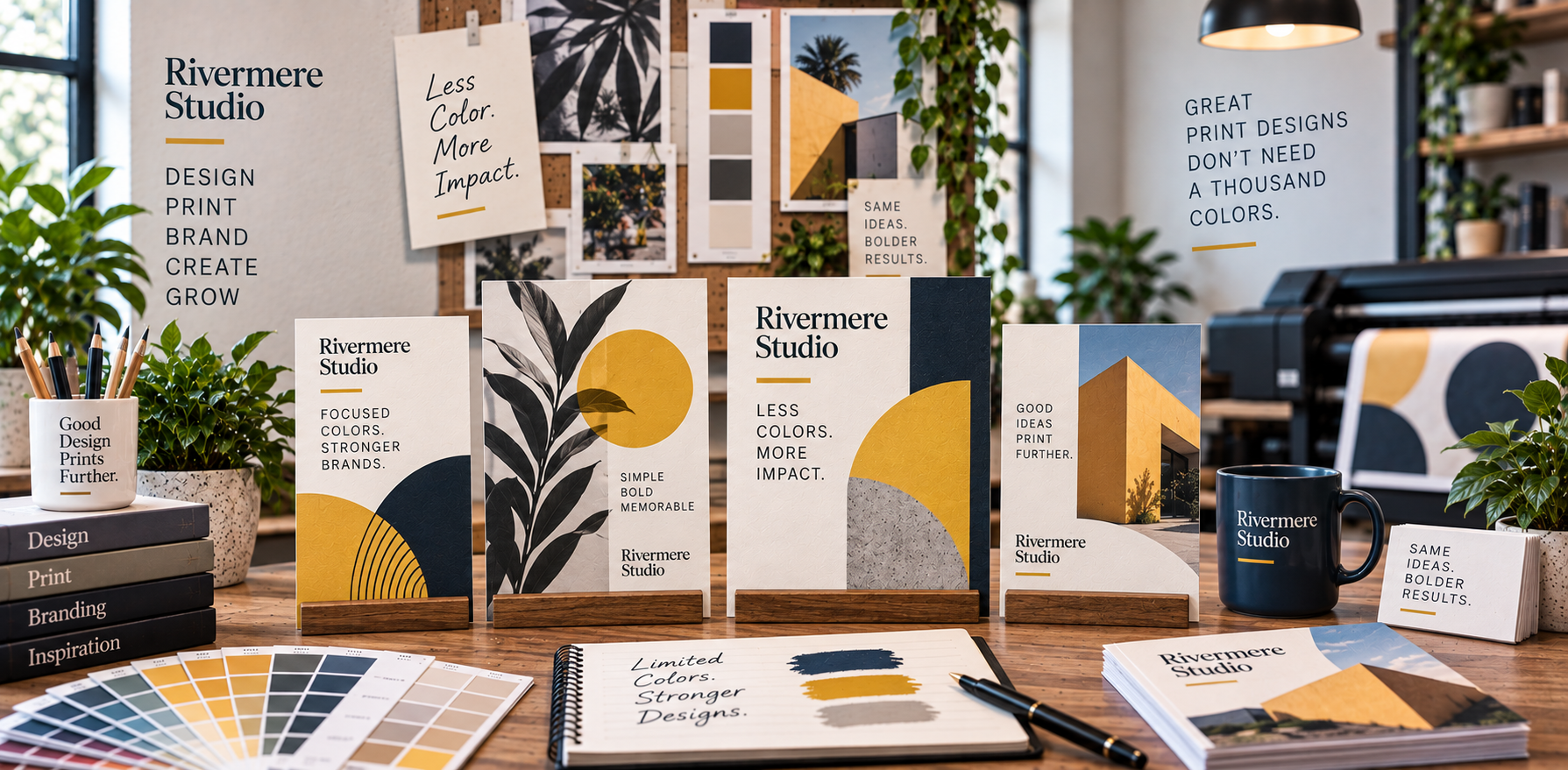
A design mood board is more than a collage of inspiring images—it’s a planning tool that helps transform creative ideas into a clear visual direction. Whether you’re launching a new business, refreshing your brand, or planning a print marketing campaign, mood boards can save time, improve communication, and create stronger, more consistent printed materials.
If you’ve ever struggled to explain your vision to a designer or felt like your branding looked inconsistent from one project to the next, creating a mood board may be one of the smartest first steps you can take.
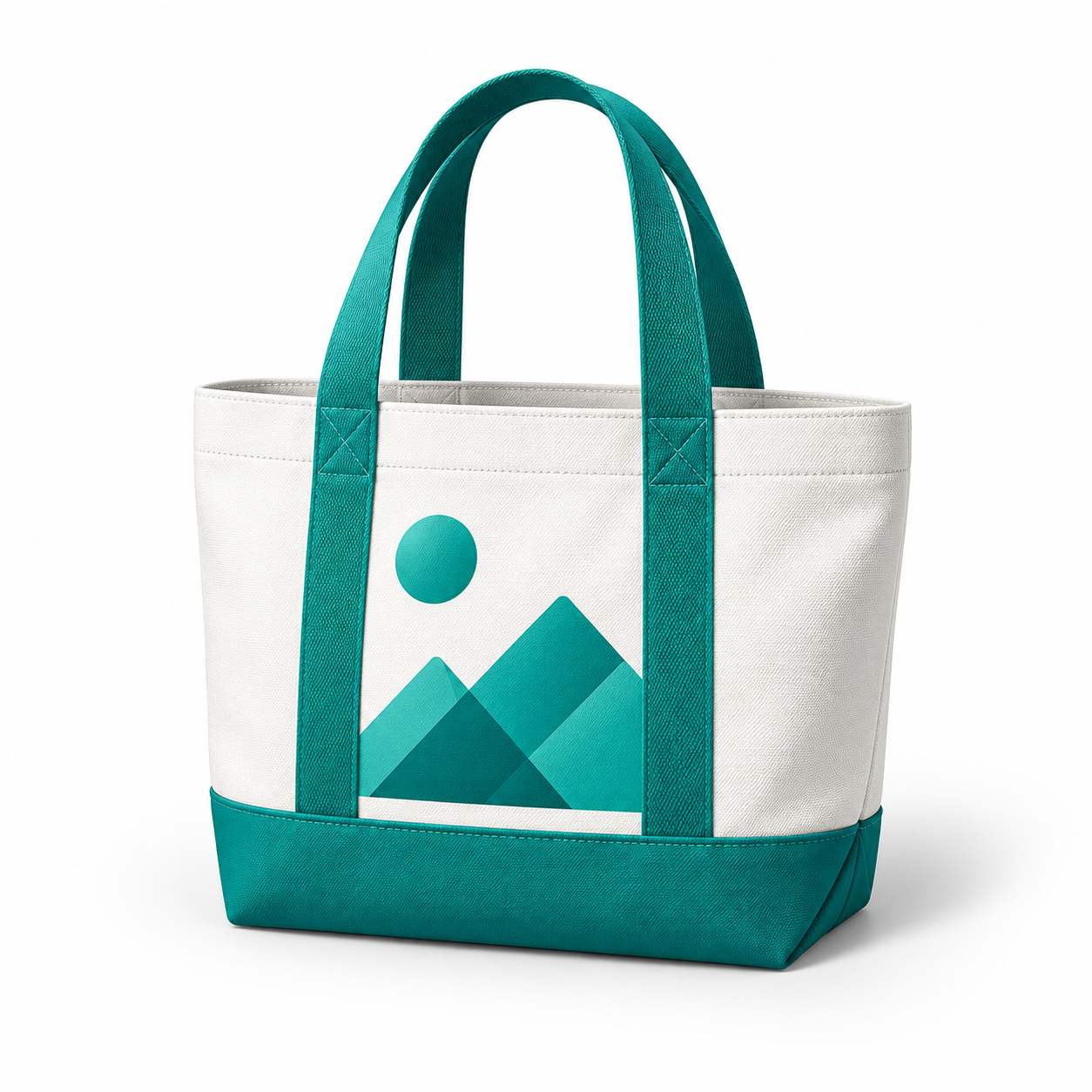
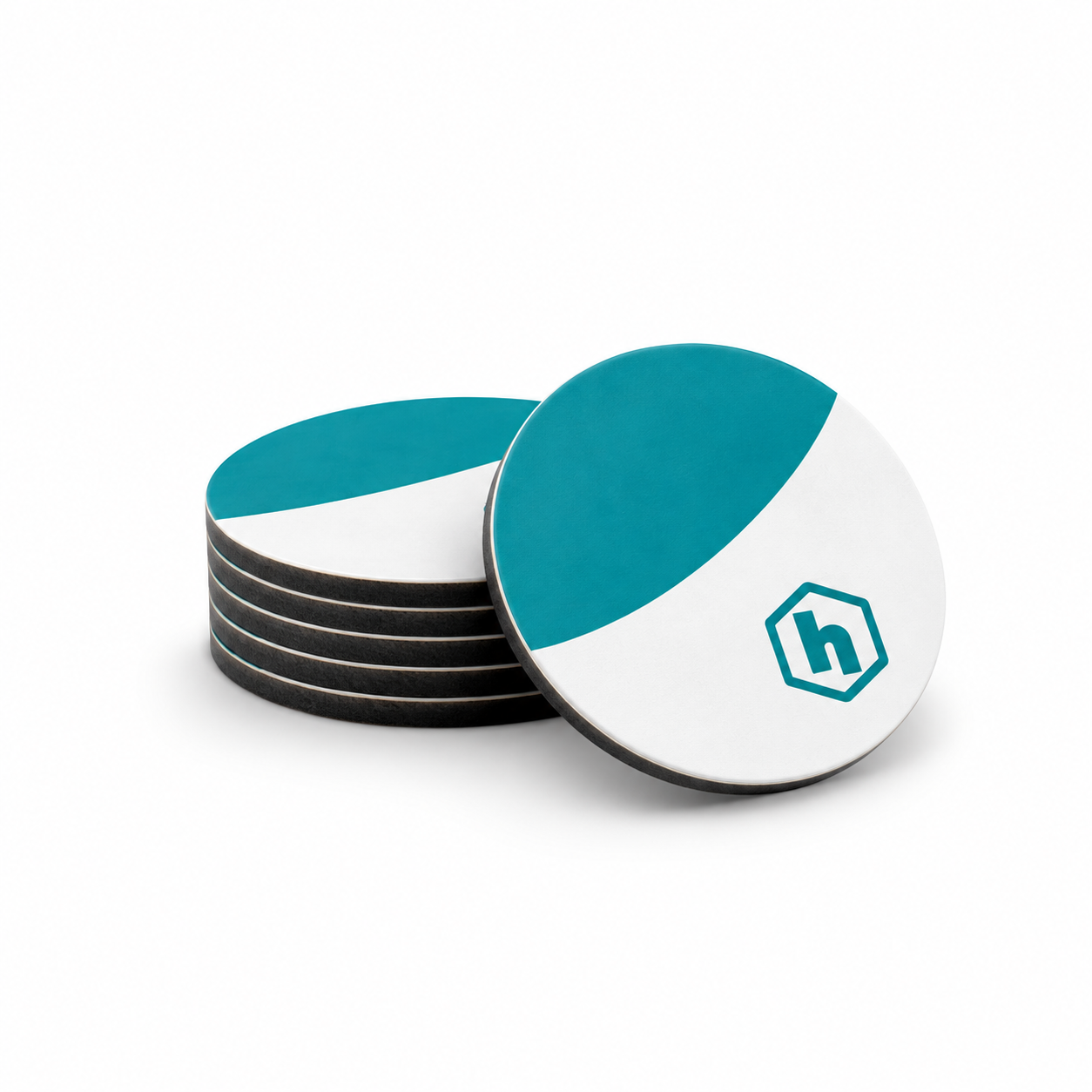
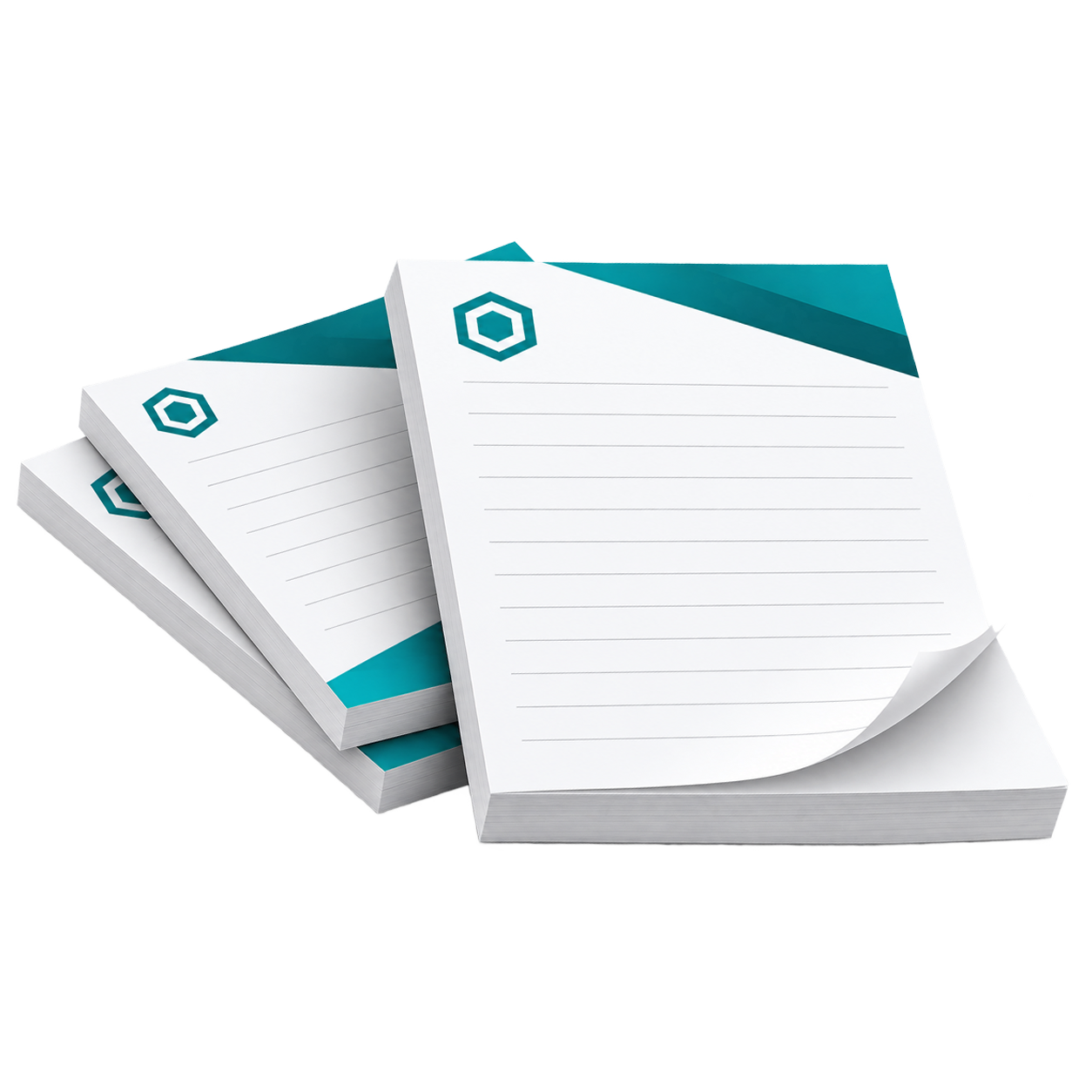
A mood board helps define everything that surrounds it, including paper choices, photography, typography, illustration styles, packaging, and print finishes.
What Is a Mood Board?
A mood board is a collection of visual elements that represent the personality and style of a brand or project.
It might include:
- Color palettes
- Typography examples
- Photography styles
- Illustrations
- Packaging ideas
- Paper textures
- Print finishes
- Graphic patterns
- Logo inspiration
- Product examples
Together, these elements create a visual reference that helps everyone involved understand the creative direction before the actual design work begins.
Think of it as a blueprint for your brand’s personality.
 It Creates a Shared Vision