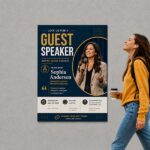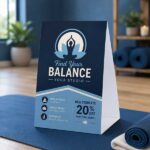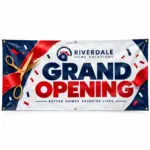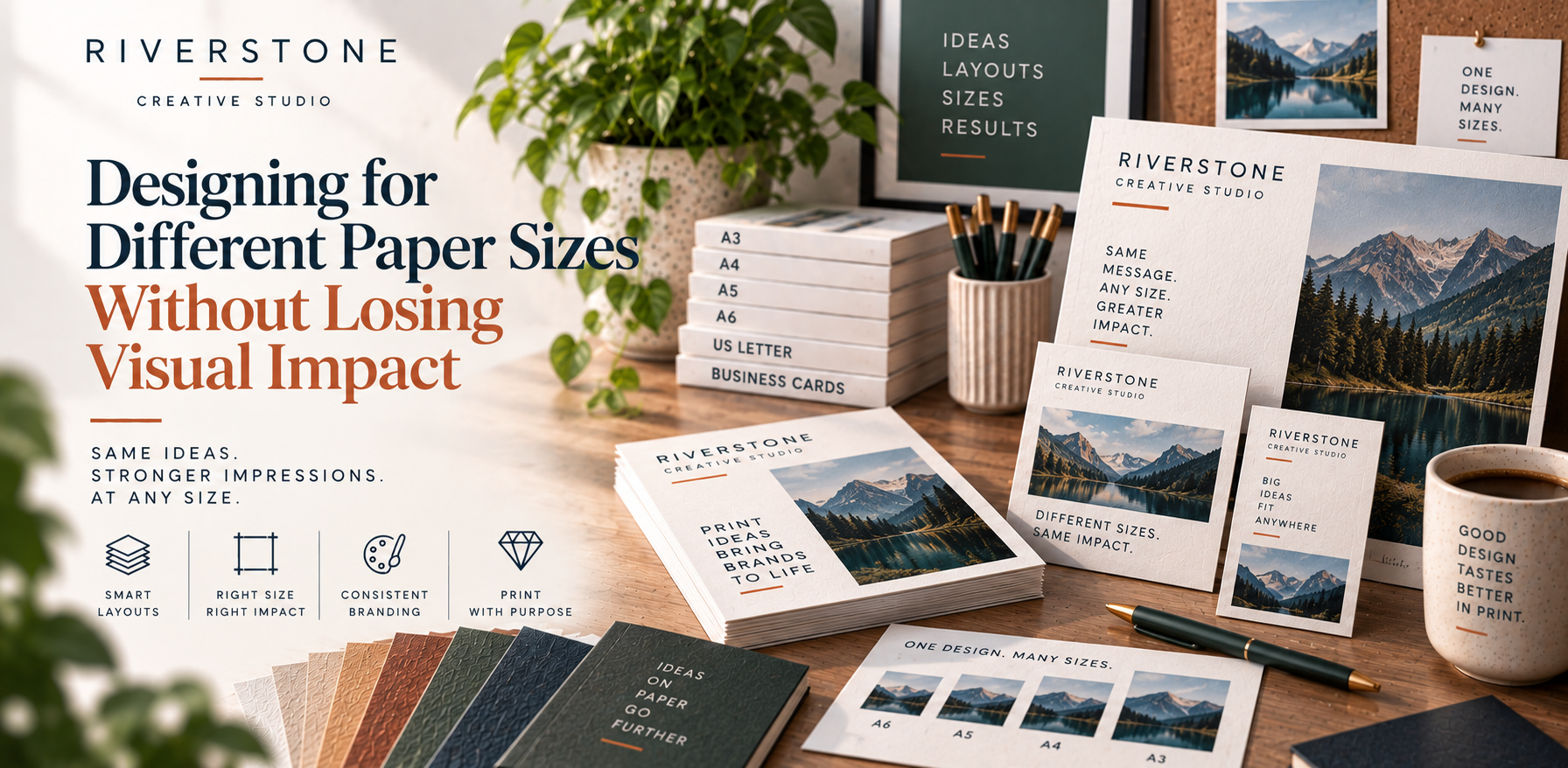
One of the biggest challenges in print design isn’t creating the first layout—it’s adapting that design to work across multiple sizes.
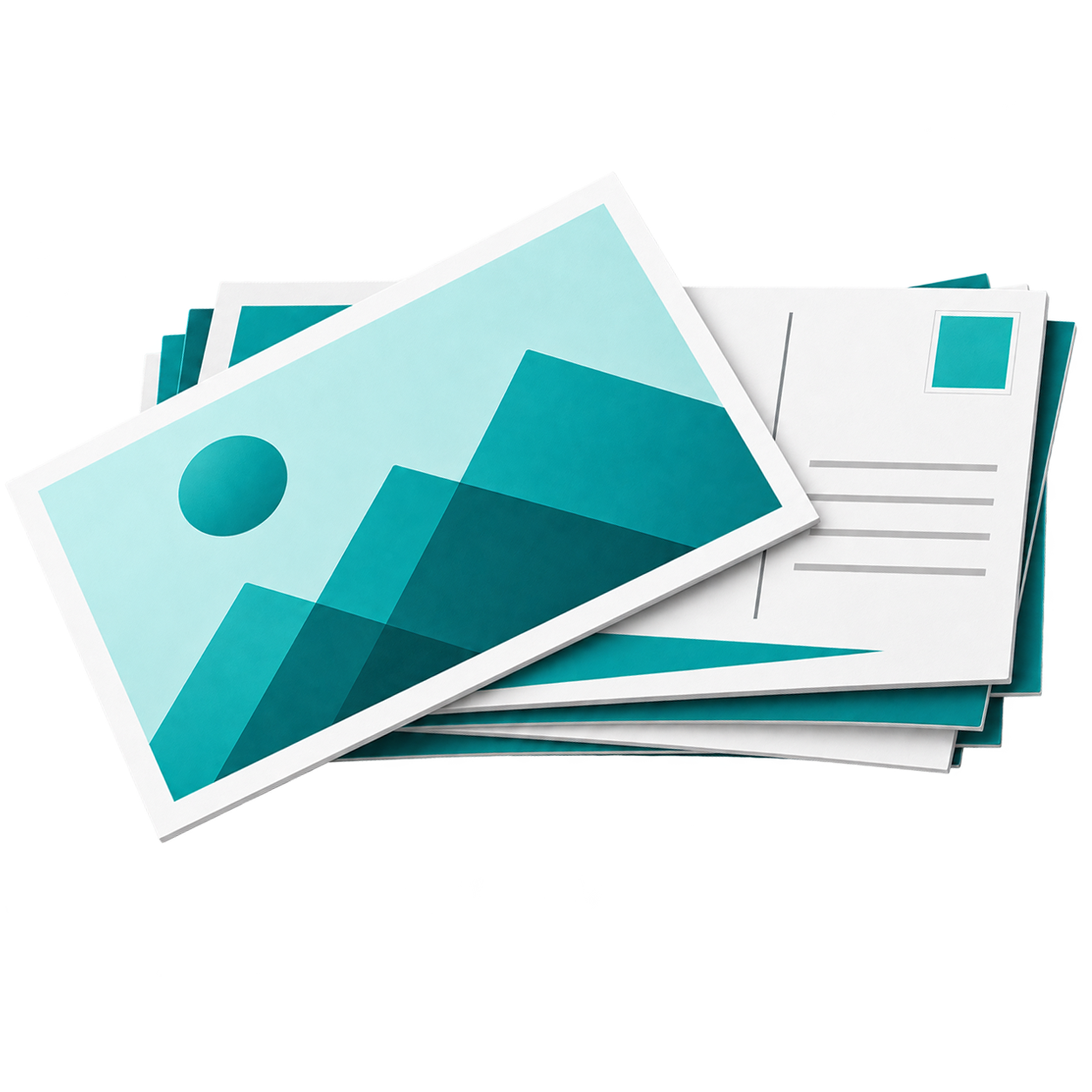
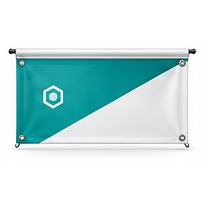
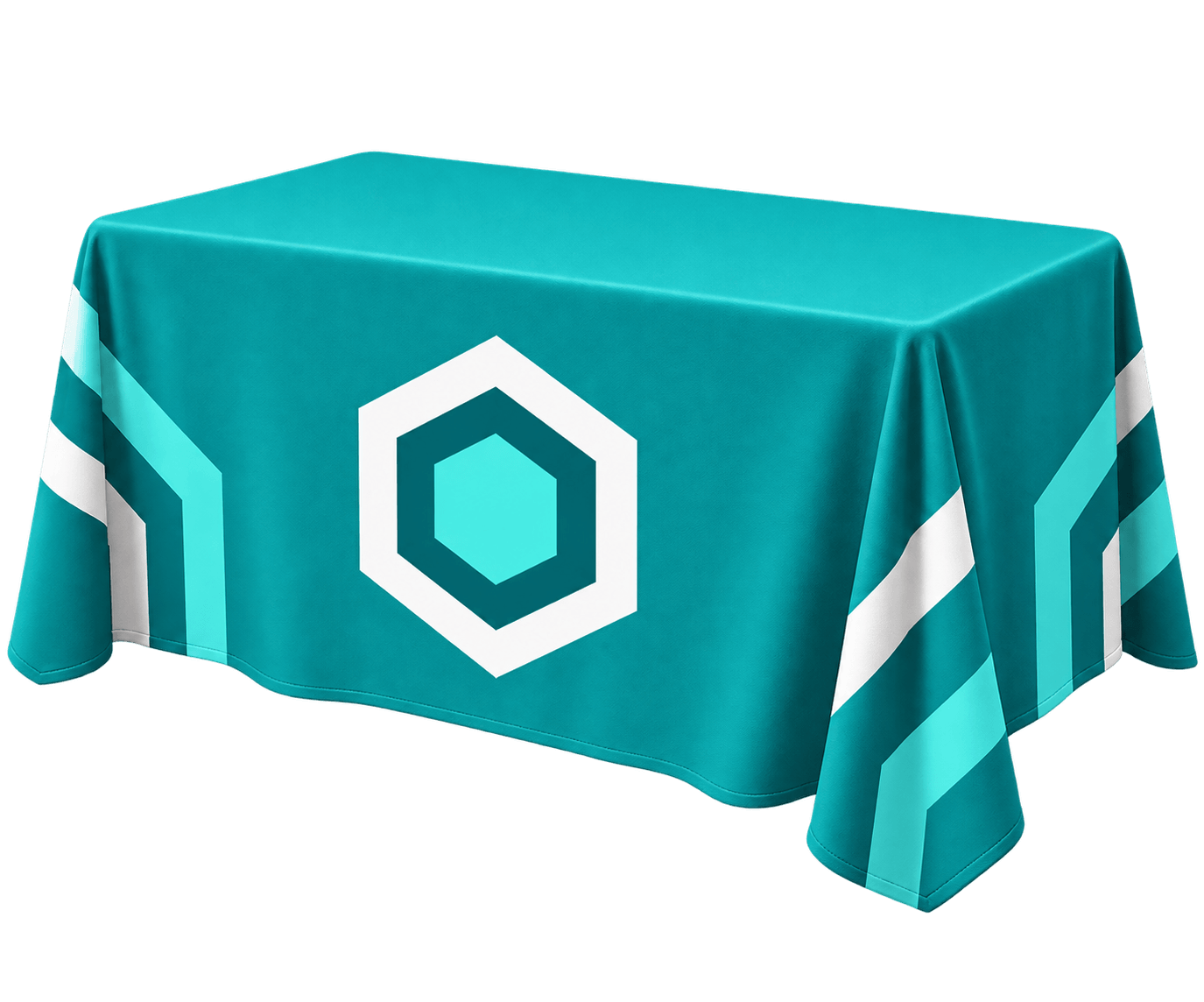
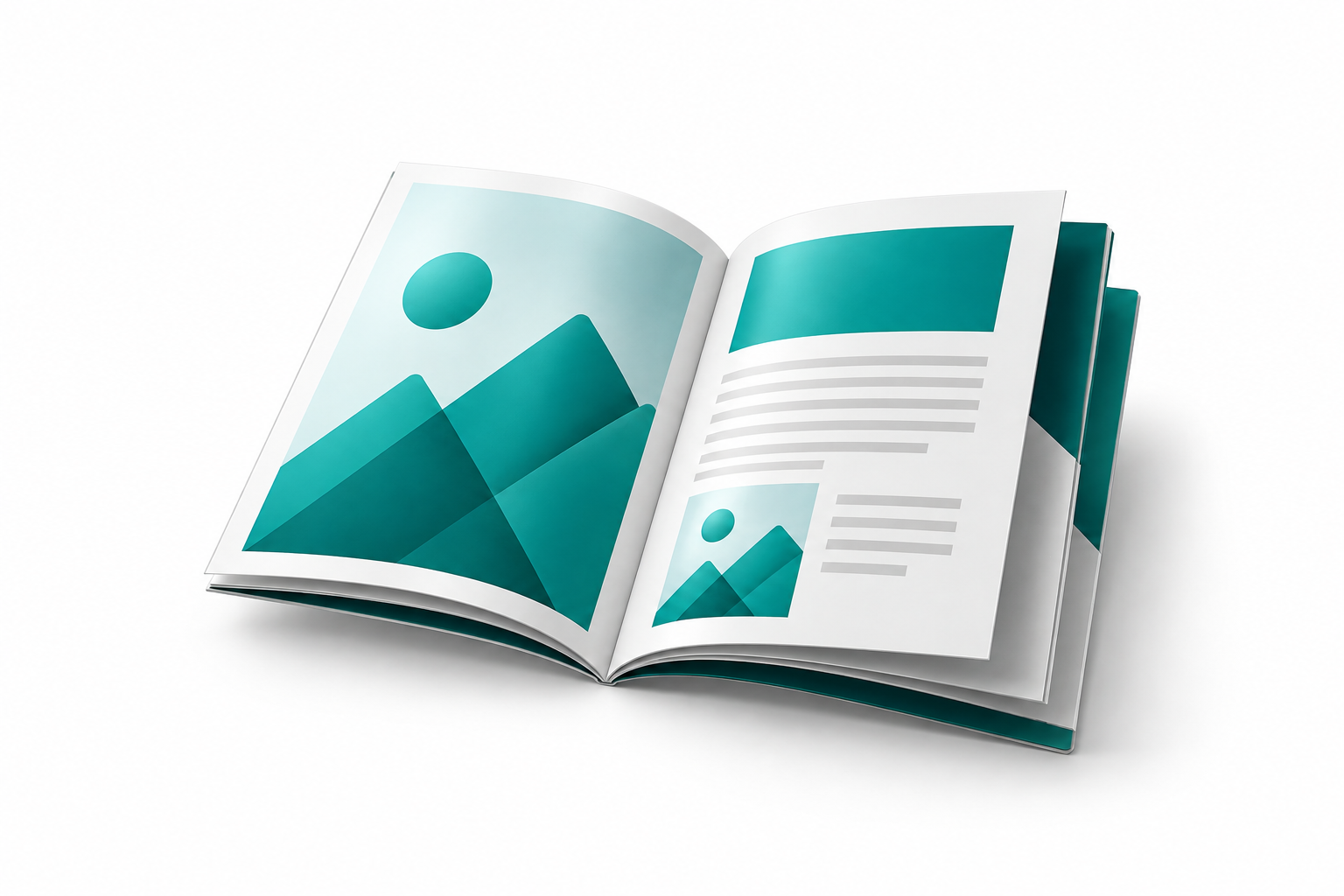
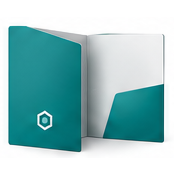
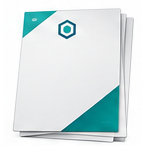
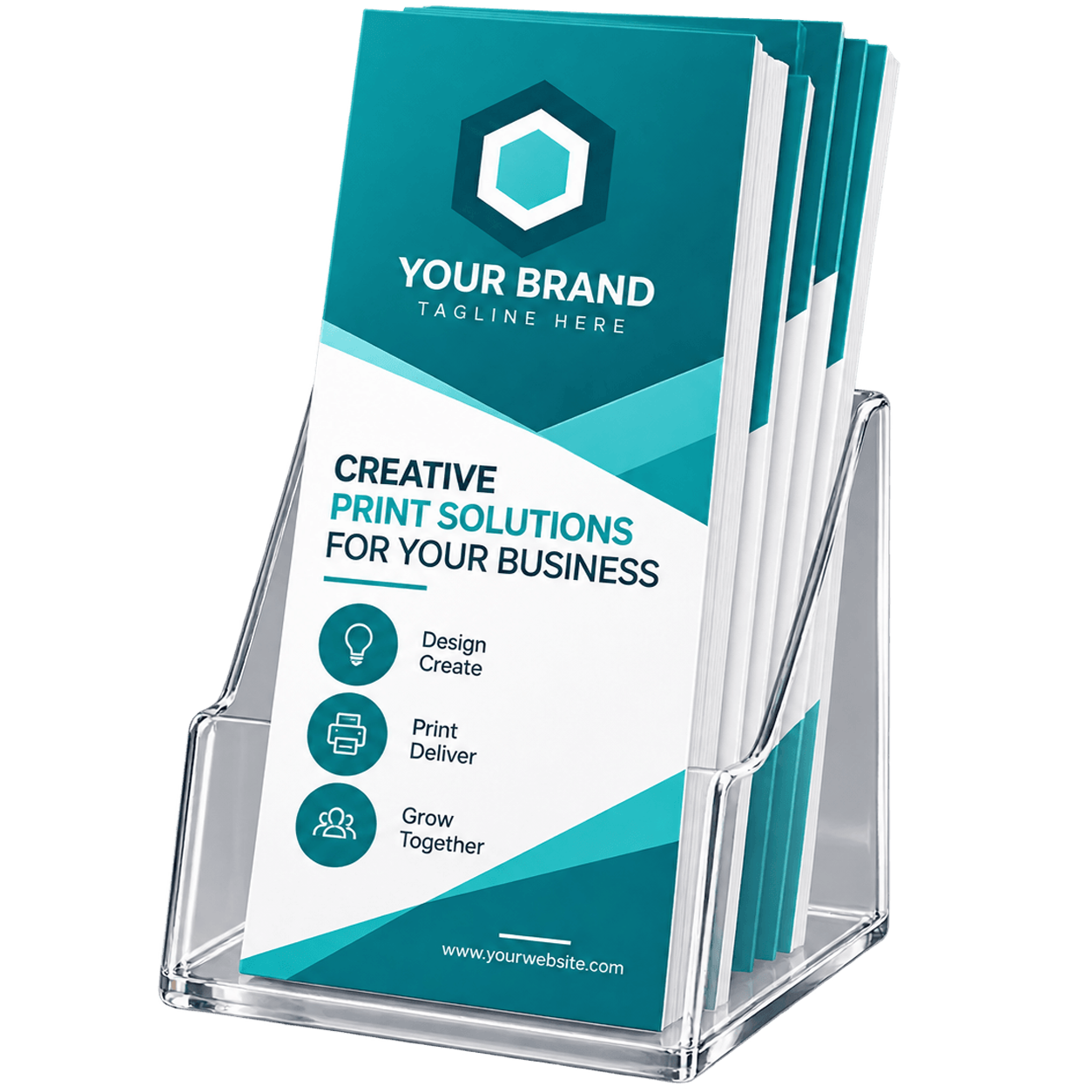
A campaign might begin as a letter-sized flyer, then grow into a tri-fold brochure, a large-format poster, a postcard, and even a trade show banner. While the messaging stays the same, the design can’t simply be stretched or shrunk to fit each format. What looks balanced on one page may feel crowded or awkward on another.
Great designers understand that every printed piece has its own purpose, and each size deserves its own layout. The goal isn’t to make every design identical—it’s to make every piece feel like it belongs to the same campaign while remaining easy to read and visually engaging.
Whether you’re working on brochure design, promotional flyers, or poster printing, here’s how to maintain a strong visual identity across every paper size.
Start with a Flexible Design System
Before worrying about dimensions, focus on creating a design system rather than a single layout.
Your design system includes elements like:
- Brand colors
- Typography
- Photography style
- Logo placement
- Graphic elements
- Iconography
- Spacing rules
When these pieces remain consistent, your marketing materials feel connected even when the layouts change dramatically.
Instead of forcing every piece to look exactly the same, you’re building a recognizable visual language that adapts naturally to different formats.
The best print campaigns aren’t defined by a single layout—they’re built on thoughtful design that adapts beautifully, no matter the size of the page.
Don’t Simply Scale Everything Down
One of the most common mistakes in print layout is shrinking an entire design to fit a smaller page.
While this may seem like the fastest solution, it usually creates several problems:
- Headlines become too small.
- Body text becomes difficult to read.
- Photos lose their impact.
- White space disappears.
- Calls to action become easy to overlook.
A postcard, for example, shouldn’t just be a miniature version of a brochure.
Instead, identify the single most important message and redesign the layout around that priority.
Each format should communicate clearly within the space available.
Understand the Purpose of Each Size
Different paper sizes serve different marketing goals.
A brochure is designed to provide detailed information, making it ideal for product descriptions, company background, and service offerings.
A flyer needs to grab attention quickly with bold headlines and limited text.
A poster often has only a few seconds to communicate its message from several feet away.
Understanding how each format will be used helps determine how much information belongs on the page.
Successful brochure design focuses on educating readers, while successful poster printing emphasizes visibility and immediate recognition.
Trying to make every format carry the same amount of information usually leads to clutter.
 Prioritize Visual Hierarchy
No matter what size you’re designing, readers should immediately know where to look first.
Strong visual hierarchy ensures that headlines, images, and calls to action naturally guide the reader through the design.
As your layout changes, your hierarchy should remain consistent.
The primary headline should always feel like the most important element. Supporting information should remain secondary, and contact details or calls to action should be easy to locate without competing with the rest of the design.
Maintaining this hierarchy across different paper sizes helps customers recognize your messaging no matter which piece they encounter first.
Let White Space Work for You
Designers often feel pressure to fill every inch of available space.
In reality, white space is one of the most valuable tools in print design.
Larger formats don’t necessarily require more content. Sometimes they simply allow your design to breathe.
Likewise, smaller pieces benefit from removing unnecessary elements rather than squeezing everything into a limited area.
Well-balanced spacing improves readability, creates a more professional appearance, and helps your most important information stand out.
A clean design almost always feels stronger than one packed with competing elements.
Use High-Resolution Images
As your artwork moves between different formats, image quality becomes increasingly important.
Photos that look perfectly acceptable on a small postcard may not hold up when enlarged for poster printing.
Whenever possible, begin with high-resolution photography and vector graphics that can scale without losing quality.
This ensures your printed materials remain sharp whether they’re displayed on a business card or a large event banner.
Starting with quality assets gives you far more flexibility as your campaign grows.
Think Beyond Individual Pieces
Customers rarely see only one marketing item.
Someone might receive your postcard in the mail, later visit your trade show booth, and eventually pick up your brochure.
Each interaction should reinforce the same brand.
Consistent typography, photography, colors, and messaging help every printed piece work together, even when the layouts are completely different.
Rather than viewing each design as a standalone project, think of them as chapters in the same visual story.
Work with Your Printer Early
Professional printers can provide valuable insight before your project goes to press.
They can recommend the best paper sizes for your goals, explain how folds or trim areas affect your layout, and help ensure your files are prepared correctly for each format.
Working together early in the design process often prevents costly revisions later and helps your finished products look exactly as intended.
Great Design Adapts Without Losing Its Identity
Successful print marketing isn’t about forcing one design onto every format. It’s about adapting your message intelligently while preserving the visual identity that makes your brand recognizable.
By building a flexible print layout, understanding how different paper sizes influence design decisions, and thoughtfully adjusting elements for brochure design and poster printing, you can create printed materials that feel cohesive no matter where customers encounter them.
At Haus Print Shop, we work with designers, marketers, and businesses to produce high-quality printed materials in a wide range of formats. Whether you’re printing brochures, posters, postcards, catalogs, or promotional pieces, our team is here to help ensure every project maintains its visual impact from the smallest handout to the largest display.
The best print campaigns aren’t defined by a single layout—they’re built on thoughtful design that adapts beautifully, no matter the size of the page.